
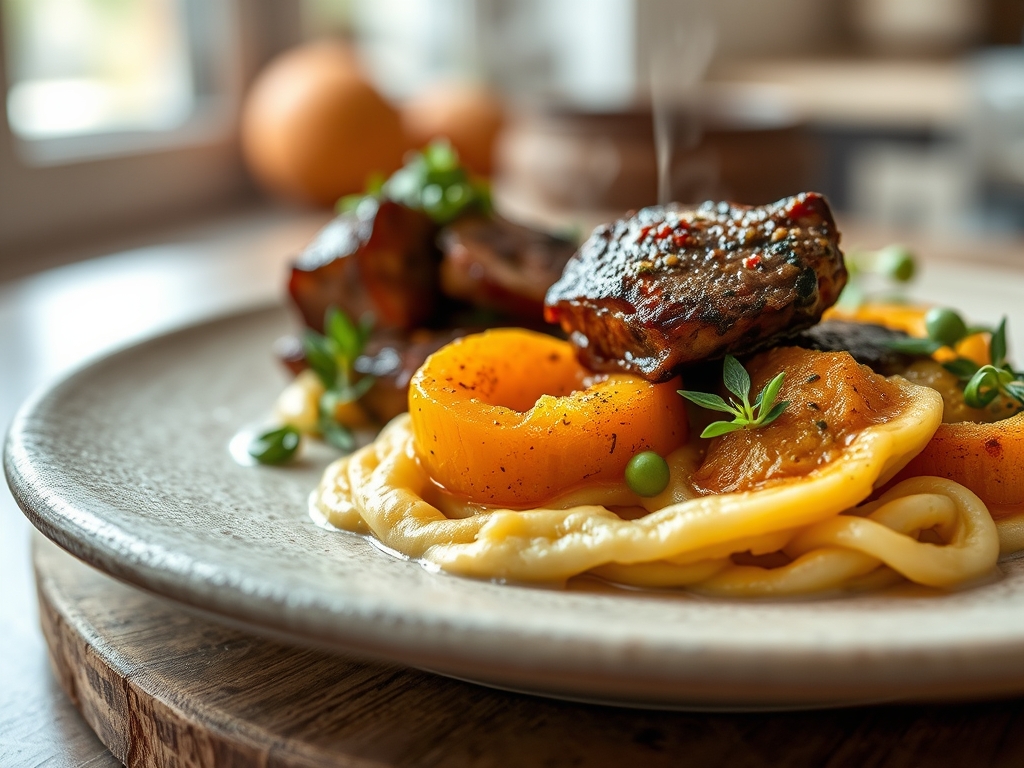
Picture the scent of rendered fat hitting a scorching cast iron surface; it is the olfactory equivalent of a warm hug. When you master squash and beef recipes, you are not just making dinner; you are orchestrating a complex chemical marriage between earthy sweetness and savory umami. The natural sugars in the squash caramelize alongside the Maillard reaction of the beef, creating a flavor profile that is both grounded and sophisticated.
The magic happens when the viscous juices of a slow-braised chuck roast permeate the cellular walls of a delicate delicata or a sturdy butternut. This pairing is a nutritional powerhouse, offering heme iron and high-quality protein alongside the beta-carotene and fiber found in seasonal gourds. Whether you are searing a flank steak to serve over a silky puree or tossing ground wagyu into a hollowed-out acorn squash, the contrast in textures is addictive. We are moving beyond basic stews into a world where culinary technique meets comfort food. Grab your apron; we are about to dive into the molecular beauty of these eight essential pairings.
The Gathers:
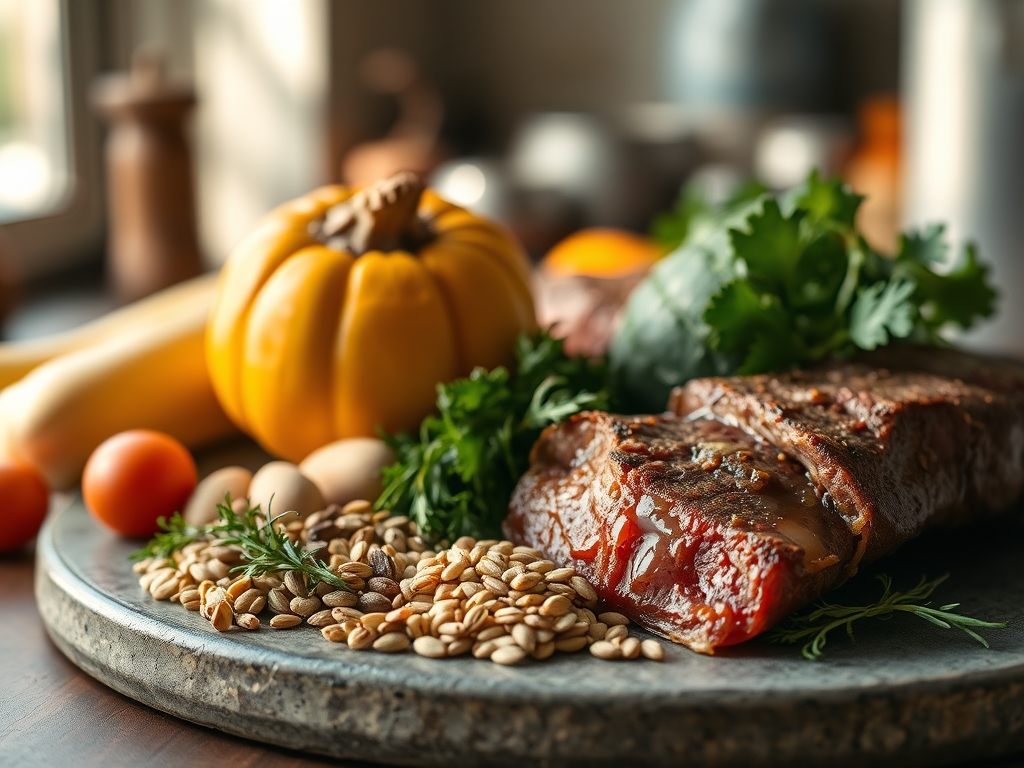
To execute these squash and beef recipes with professional precision, your mise-en-place must be impeccable. Start with your aromatics: yellow onions, garlic cloves, and fresh rosemary. You will need a high-quality fat with a high smoke point, such as avocado oil or tallow, to ensure the beef sears without the lipids breaking down and turning acrid. For the beef, look for marbling; intramuscular fat is the key to moisture. If you are using lean cuts like sirloin, a digital scale helps ensure uniform portioning for even cooking.
The squash selection requires a discerning eye. For roasting, choose varieties with dense flesh like Kabocha or Red Kuri. If you are aiming for a silky sauce, the watery consistency of a zucchini requires a different approach than the starchy profile of a Hubbard squash. Use a microplane to zest citrus or grate hard cheeses over the final dish to provide a piquant lift to the heavy proteins.
Smart Substitutions:
If you cannot find delicata squash, sweet potatoes offer a similar starch content but a higher glycemic index. For a leaner profile, swap ribeye for top round, but be prepared to use a meat mallet to break down the connective tissue. If you are avoiding nightshades, replace paprika with ground cumin and turmeric to maintain that golden, appetizing hue without the heat.
The Clock
Efficiency in the kitchen is about "Chef's Flow," the art of overlapping tasks so no heat is wasted. Most squash and beef recipes require approximately 20 minutes of active prep and 40 minutes of thermal application. The flow begins with the squash; because it has a higher water content and denser structure, it often needs a head start in the oven or the pan.
While the squash undergoes enzymatic browning, you focus on the beef. This allows the meat to reach room temperature, ensuring a more even heat distribution once it hits the pan. If you are braising, the clock extends to two hours, but the active labor remains low. Always factor in a ten-minute rest period for the beef. This allows the muscle fibers to relax and reabsorb the internal juices, preventing a "bloody" plate and ensuring every bite is succulent.
The Masterclass
1. The Sear and Prep
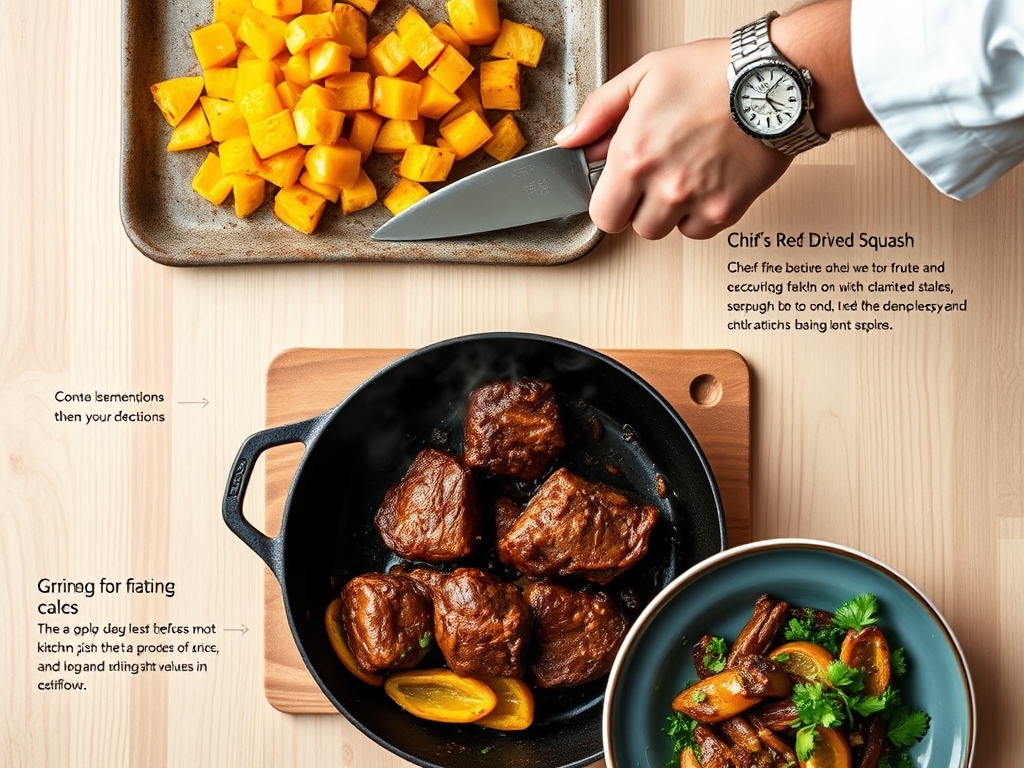
Begin by patting your beef bone-dry with paper towels. Moisture is the enemy of the Maillard reaction; if the surface is wet, the meat will steam rather than brown. Heat a heavy-bottomed skillet until it wisps with smoke, then add your oil and the beef.
Pro Tip: This is the science of thermal mass. Using a heavy pan like cast iron prevents the temperature from dropping when the cold meat is added, ensuring a crisp, caramelized crust rather than a gray, boiled texture.
2. Deglazing the Fond
Once the beef is browned, remove it with tongs and look at the brown bits stuck to the pan. This is "fond," a concentrated goldmine of flavor. Pour in a splash of red wine or beef stock and use a bench scraper or wooden spoon to lift those bits.
Pro Tip: Deglazing uses a solvent (liquid) to dissolve the caramelized proteins and sugars. This creates a complex base for your sauce that ties the squash and beef flavors together.
3. Integrating the Squash
Add your cubed squash into the deglazed pan. If you are making a stir-fry, keep the heat high. If it is a stew, lower the temperature. Ensure the squash pieces are uniform in size to guarantee they reach the fork-tender stage simultaneously.
Pro Tip: This stage involves cellulose breakdown. Heat weakens the cell walls of the squash, allowing it to absorb the savory fats from the beef, a process known as infusion.
4. The Emulsion Phase
As the squash releases its starches, add a knob of butter or a splash of heavy cream. Stir vigorously with a saucier whisk to combine the fats and liquids into a smooth, glossy coating.
Pro Tip: This is emulsification. The starches from the squash act as a stabilizer, preventing the fat from the beef from separating and creating a greasy mouthfeel.
5. The Final Rest
Once the internal temperature of the beef reaches your target (135F for medium-rare), remove the entire dish from the heat. Cover loosely with foil but do not seal it tightly, as you want to avoid trapped steam softening the crust.
Pro Tip: Thermal carryover will cause the internal temperature to rise another 5 degrees after removal. Pulling the meat early prevents overcooking and ensures the squash maintains its structural integrity.
The Deep Dive
From a macro perspective, squash and beef recipes are a dream. You are looking at a balanced profile of complex carbohydrates, healthy fats, and high-density protein. A standard serving provides roughly 35g of protein and 20g of carbohydrates, making it an excellent post-workout recovery meal.
Dietary Swaps:
For a Keto version, stick to zucchini or yellow summer squash, which have the lowest net carb counts. Vegan friends can swap the beef for "beefy" portobello mushrooms or seitan, though you will need to add a dash of liquid aminos to replicate the iron-rich flavor of beef. For Gluten-Free needs, ensure your beef stock is certified, as many commercial brands use flour as a thickener.
The Fix-It:
- Tough Beef: If your meat is chewy, it likely did not reach the temperature where collagen melts into gelatin. Fix: Add a splash of liquid and simmer on low for another 20 minutes.
- Mushy Squash: You overcooked the cellulose. Fix: Mash it into the sauce to create a "thickener" and add a few fresh, quickly sautéed squash ribbons on top for texture.
- Bland Flavor: The dish lacks acidity. Fix: Squeeze half a lemon or add a teaspoon of apple cider vinegar at the very end to "wake up" the fats.
Meal Prep:
When reheating, avoid the microwave if possible. The high frequency vibrates water molecules so violently that it can turn beef rubbery. Instead, use a low oven (300F) with a tablespoon of water added to the container to create a gentle steam environment. This preserves the "day-one" moisture levels.
The Wrap-Up
Mastering squash and beef recipes is about understanding the harmony between the field and the pasture. It is a technical dance of heat management, moisture control, and flavor balancing. By using the right tools and respecting the science of the sear, you transform humble ingredients into a centerpiece. Go forth, use your tongs with confidence, and let the Maillard reaction work its magic!
The Kitchen Table
Can I use frozen squash for these recipes?
Yes, but skip the sear. Frozen squash has compromised cell walls due to ice crystals, making it prone to mushiness. It is best used in stews or purees where a soft texture is actually desired for the final sauce.
What is the best cut of beef for a quick squash stir-fry?
Flank steak or skirt steak are ideal. They have long muscle fibers that soak up marinades beautifully. Slice them against the grain to ensure maximum tenderness when flash-cooked over high heat alongside your squash.
How do I prevent the squash from falling apart in a slow cooker?
Cut the squash into larger, two-inch chunks and add them halfway through the cooking cycle. This prevents the prolonged heat from completely dissolving the pectin that holds the squash cubes together during the braising process.
Why does my beef turn gray instead of brown?
This usually happens because the pan is overcrowded or the meat is too wet. Crowding drops the pan temperature, causing the meat to release juice and steam. Cook in batches and always pat the beef dry before searing.