
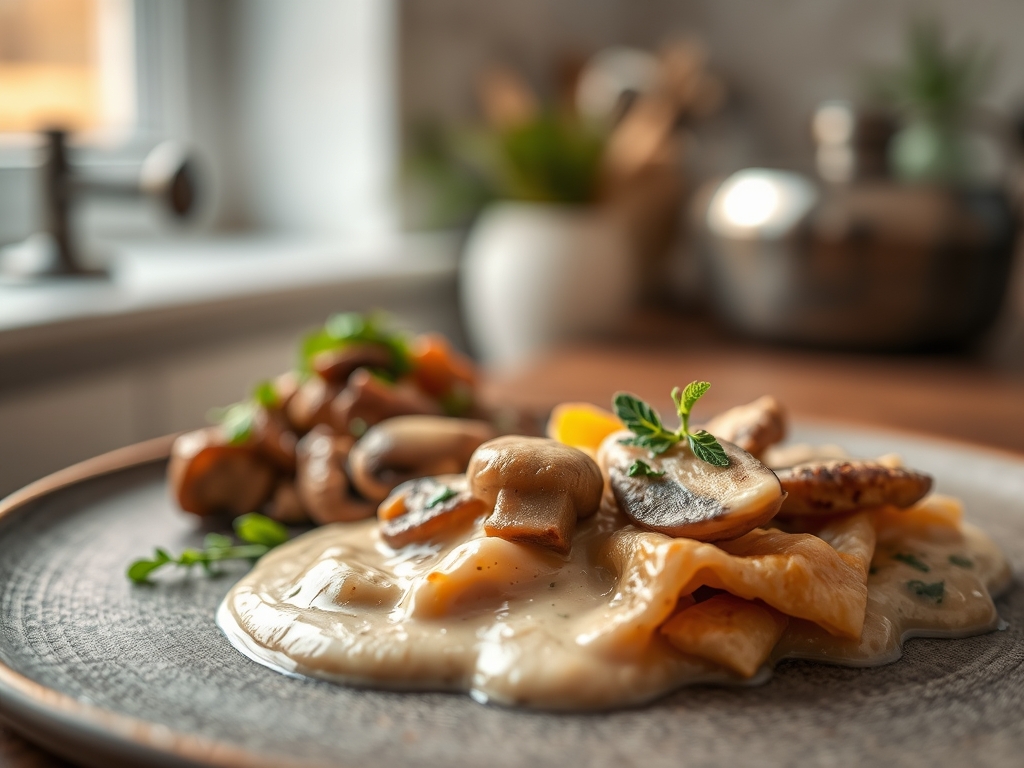
Imagine the sizzle of a heavy-bottomed skillet meeting a marbled ribeye; it is the sound of chemistry performing a private concert. When you master cream of mushroom and beef recipes, you are not just cooking dinner; you are orchestrating a collision of deep umami and velvet fat. It is the ultimate comfort food for the sophisticated palate.
The magic lies in the contrast between the mineral-rich, metallic notes of the beef and the earthy, fungal musk of the mushrooms. When these two meet a viscous cream base, the result is a culinary hug that feels both nostalgic and high-end. Whether you are craving a rustic Stroganoff or a refined pan-seared steak topped with a piquant forest sauce, the foundation remains the same. We are looking for that perfect balance of salt, acid, and fat that makes every bite feel like a discovery. Grab your favorite apron and a glass of red; we are about to turn your kitchen into a five-star bistro.
The Gathers:
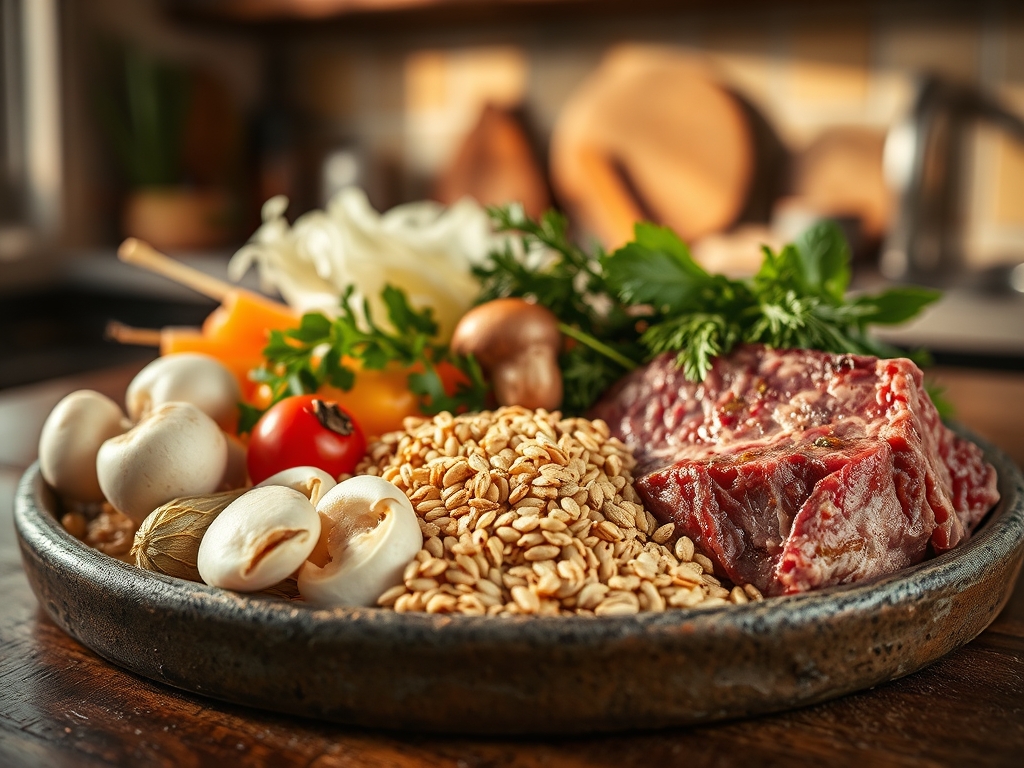
To achieve professional results, your mise-en-place must be precise. Start with your protein. For these recipes, look for cuts with significant intramuscular fat, such as ribeye or chuck roast, which provide the lipids necessary for a luscious mouthfeel. Use a digital scale to ensure your ratios are exact. You will need a variety of mushrooms; think cremini for density, shiitake for a smoky punch, and oyster mushrooms for their delicate, velvety texture.
The aromatics are non-negotiable. Fresh thyme and rosemary contain essential oils that are fat-soluble, meaning they will infuse the cream beautifully. You will also need shallots, which offer a more subtle, sulfurous depth than standard yellow onions. For the cream component, a high-fat heavy cream (at least 36 percent milkfat) is superior to milk because it resists curdling when exposed to the acidic deglazing agents like dry sherry or white wine.
Smart Substitutions:
If you are looking to lighten the profile without losing the soul of the dish, swap the heavy cream for full-fat Greek yogurt added at the very end of the cooking process to prevent splitting. For a deeper umami hit, add a teaspoon of white miso paste or a splash of Worcestershire sauce. If fresh mushrooms are unavailable, reconstituted dried porcinis provide an even more concentrated fungal essence that elevates the entire profile.
The Clock
Efficiency in the kitchen is about "Chef's Flow," the art of overlapping tasks so that no heat is wasted. Expect a total active time of 20 minutes with a total cook time ranging from 30 to 45 minutes depending on the cut of beef.
The first 10 minutes are dedicated to the sear. This is where you develop the Maillard reaction, the chemical dance between amino acids and reducing sugars. The middle 20 minutes involve the reduction of the sauce. This is a slow, meditative process where you allow the liquid to evaporate, concentrating the flavors into a thick, glossy coating. The final 5 minutes are for resting. Never skip the rest; it allows the muscle fibers to relax and reabsorb the juices, ensuring your beef is succulent rather than dry.
The Masterclass
1. Temper and Season the Beef
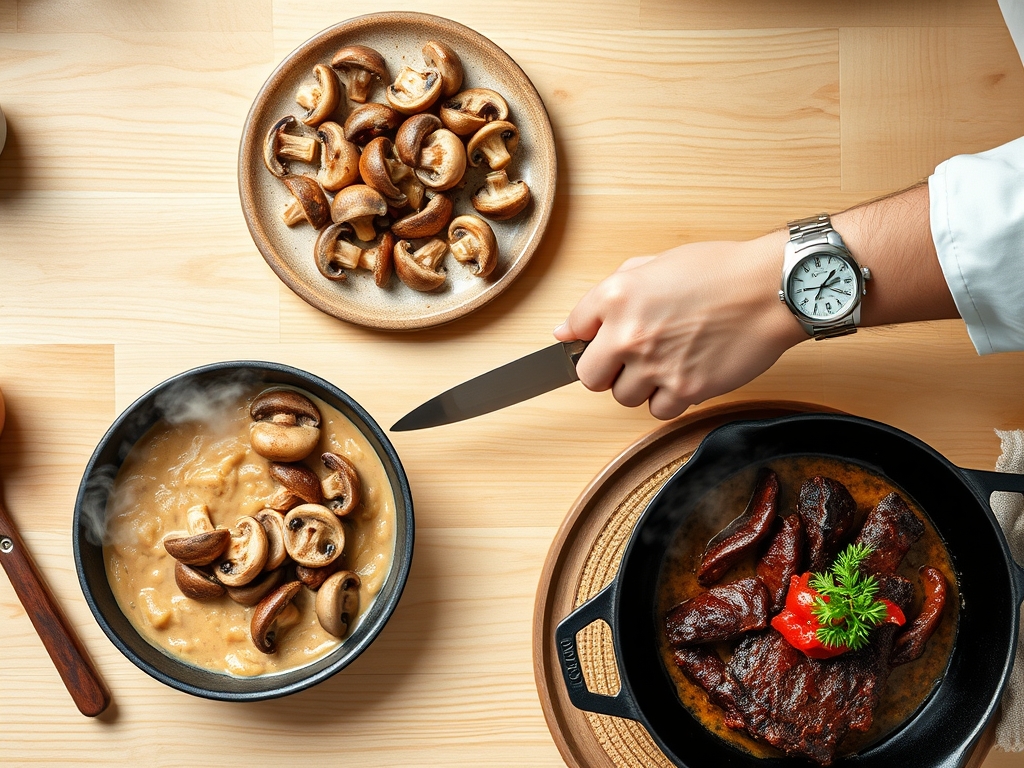
Remove your beef from the refrigerator at least 30 minutes before cooking. Use a paper towel to pat the surface bone-dry. Moisture is the enemy of a good sear; any surface water will turn to steam and prevent browning. Generously coat all sides with kosher salt.
Pro Tip: This is known as denaturing. Salt draws out moisture, dissolves into a brine, and is then reabsorbed into the meat, breaking down tough proteins and seasoning the interior, not just the surface.
2. The High-Heat Sear
Heat your heavy-bottomed skillet until it is wisps-of-smoke hot. Add a high-smoke-point oil like avocado oil. Place the beef in the pan using long-handled tongs. Do not crowd the pan; if you drop the temperature too quickly, the meat will boil in its own juices.
Pro Tip: Look for the Maillard Reaction. This chemical reaction occurs around 285 to 330 degrees Fahrenheit. It creates hundreds of different flavor compounds that give seared meat its characteristic savory complexity.
3. Sauté the Fungal Bouquet
Remove the beef and set it aside on a warm plate. In the same pan, add your sliced mushrooms. Resist the urge to stir them immediately. Let them sit in the rendered beef fat until they release their water and begin to caramelize.
Pro Tip: This process is enzymatic browning. Mushrooms are high in water content; by letting them brown undisturbed, you evaporate that water and concentrate the glutamate, which is the natural source of the umami flavor.
4. Deglaze and Emulsify
Add your minced shallots and garlic, followed by a splash of dry sherry. Use a stainless steel whisk or a wooden spoon to scrape up the brown bits (the fond) from the bottom of the pan. Once the liquid has reduced by half, pour in your heavy cream.
Pro Tip: Deglazing captures the fond, which is essentially concentrated flavor. The alcohol in the wine or sherry acts as a solvent, pulling out flavor compounds that are not water-soluble, creating a more complex sauce.
5. The Gentle Simmer and Infusion
Lower the heat to a simmer. Add your fresh herbs and a zest of lemon using a microplane for a piquant lift. Return the beef (and any accumulated juices) to the pan. Let everything meld together until the sauce reaches a nappe consistency, meaning it coats the back of a spoon.
Pro Tip: This stage utilizes thermal carryover. Even after you remove the pan from the heat, the internal temperature of the beef will continue to rise by 5 to 10 degrees. Pull the meat just before it hits your target temperature to avoid overcooking.
6. The Final Aeration
Just before serving, stir in a cold knob of butter. This technique, known as monter au beurre, gives the sauce a professional sheen and a rounded flavor profile. Use a bench scraper to clean your board and prep any garnish, like fresh chives or parsley.
Pro Tip: Adding cold fat to a hot sauce creates a temporary emulsion. The cold butter disperses into tiny droplets that stay suspended in the sauce, providing a luxurious, silky texture that won't feel greasy on the tongue.
The Deep Dive
Macro Nutrition:
A standard serving of cream of mushroom and beef is protein-dense and high in healthy fats. A 6-ounce portion typically contains approximately 35 grams of protein, 28 grams of fat, and 8 grams of carbohydrates. Mushrooms add essential B vitamins, selenium, and potassium, making this a nutritionally robust meal.
Dietary Swaps:
For a Keto version, ensure your cream is full-fat and avoid any flour-based thickeners. For Gluten-Free needs, use tamari instead of Worcestershire sauce and ensure your broth is certified GF. Vegan friends can enjoy a similar profile by using thick coconut cream, cashew butter, and "beefy" portobello steaks seasoned with liquid smoke.
The Fix-It:
- The Sauce is Too Thin: Do not keep boiling it, or you will toughen the meat. Instead, whisk a teaspoon of cornstarch with cold water to create a slurry and stir it in.
- The Sauce Broke (Oily): This happens if the heat is too high. Remove from heat and whisk in a tablespoon of cold heavy cream or water to re-emulsify the fats.
- The Beef is Tough: If using a lean cut, you likely overcooked it. Next time, use a digital thermometer to pull the meat at 130 degrees Fahrenheit for a perfect medium-rare.
Meal Prep:
To reheat, avoid the microwave, which turns beef into rubber. Instead, place the leftovers in a saucier over low heat. Add a splash of beef broth or water to loosen the cream, as it will have thickened significantly in the fridge. Heat gently until the sauce is fluid and the beef is just warmed through.
The Wrap-Up
Mastering the art of cream of mushroom and beef recipes is like unlocking a secret level of home cooking. It is a testament to how simple, high-quality ingredients can be transformed through the application of heat and science. Whether you are hosting a dinner party or just treating yourself after a long Tuesday, these pairings offer a depth of flavor that is hard to beat. Remember: dry your meat, brown your mushrooms, and never, ever skip the deglazing step. Your taste buds will thank you for the effort.
The Kitchen Table
Can I use canned cream of mushroom soup?
Yes, but it lacks the complexity of fresh ingredients. If using canned, enhance it with fresh sautéed mushrooms, a splash of dry white wine, and fresh thyme to mimic the depth of a scratch-made sauce.
What is the best beef for a creamy sauce?
Sirloin tips, ribeye, or tenderloin are ideal for quick searing. If you prefer a slow-cooked version, chuck roast or short ribs provide excellent collagen breakdown, resulting in a rich, velvety texture that pairs perfectly with cream.
How do I prevent the cream from curdling?
Always use high-fat cream and avoid boiling the sauce vigorously once the dairy is added. Adding a splash of heavy cream at the very end of the simmering process helps stabilize the emulsion and prevents splitting.
Why are my mushrooms soggy instead of brown?
You likely crowded the pan or added salt too early. Mushrooms release water when heated; if the pan is too full, that water steams the mushrooms. Cook them in batches over high heat for a golden sear.