
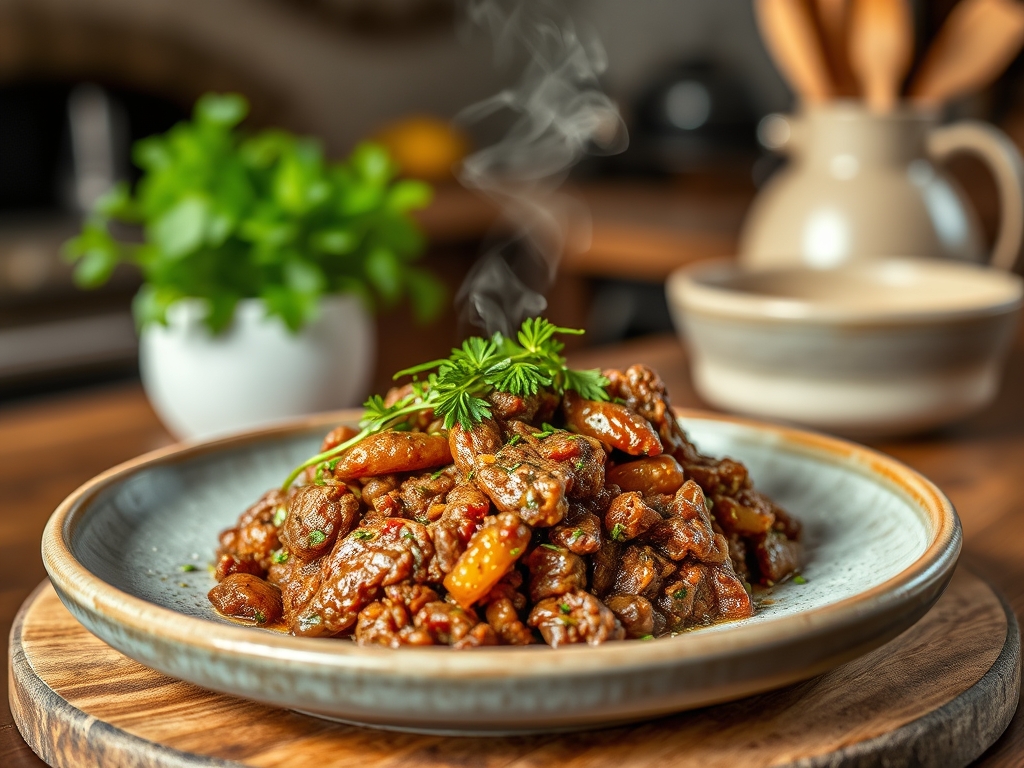
Picture a heavy-bottomed skillet resting on a blue-flame burner. As the metal absorbs the thermal energy, you drop in a lean portion of protein. The sound is immediate; a sharp, rhythmic sizzle that signals the start of the Maillard reaction. This is where your fitness journey meets gourmet execution. Finding ground beef recipes for weight loss does not mean sacrificing the deep, umami-rich flavors that make a meal feel like a luxury.
We are moving past the era of dry, unseasoned patties. Instead, we are focusing on the science of moisture retention and the strategic use of aromatics to create high-volume, low-calorie masterpieces. By leveraging lean ratios like 93/7 or 96/4, we can manipulate the lipid profile of our dishes to keep caloric density low while maximizing satiety. This guide is your technical manual for transforming a humble pound of beef into eight distinct, slimming dinners that will make your kitchen feel like a high-end bistro. We are going to deglaze, infuse, and render our way to a leaner physique without ever feeling deprived.
The Gathers:
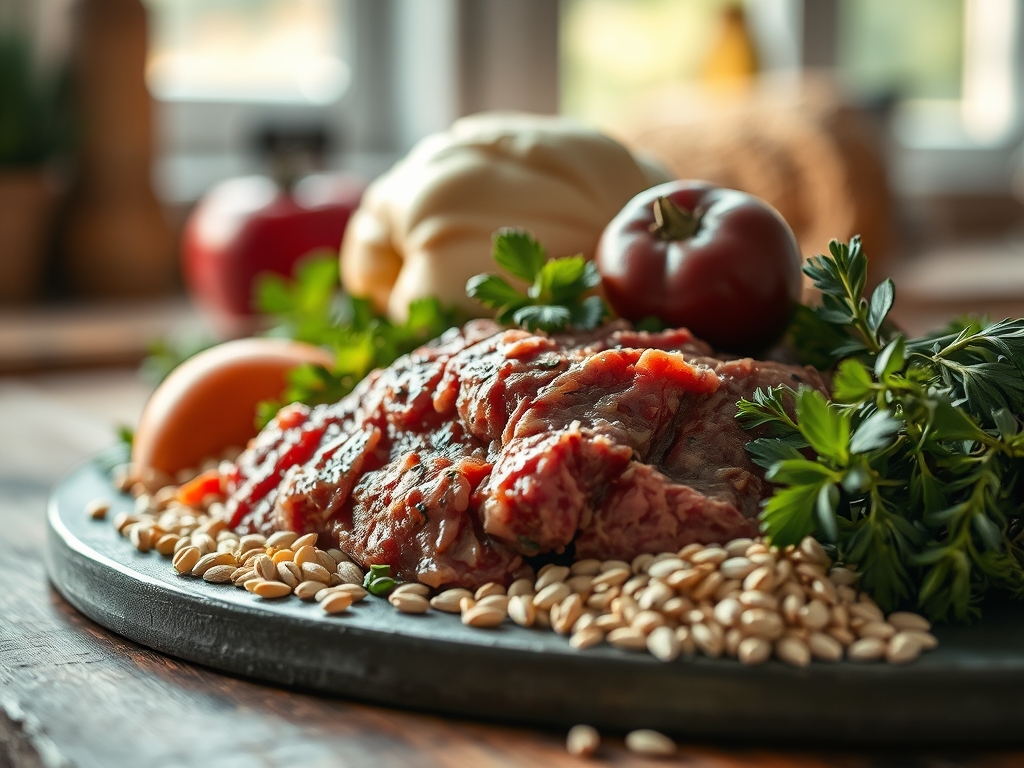
To execute these ground beef recipes for weight loss with precision, your mise-en-place must be flawless. We are looking for a symphony of textures and chemical compounds. Start with your primary protein: grass-fed lean ground beef. It offers a higher concentration of Omega-3 fatty acids compared to grain-finished varieties. You will also need a bouquet of aromatics. Think piquant red onions, fibrous stalks of celery, and the essential sulfuric punch of fresh garlic.
Smart Substitutions are the secret weapon of the culinary stylist. Instead of using heavy oils, we use a small amount of beef bone broth to sauté our vegetables, utilizing a technique known as steam-frying. This reduces added fats while infusing the meat with collagen-rich moisture. For bulk without the glycemic load, we lean on cruciferous powerhouses. Use a box grater to create cauliflower rice or a mandoline to shave zucchini into delicate ribbons. These vegetables provide a porous structure that absorbs the rendered juices of the beef, ensuring no flavor is lost to the pan. Finally, keep a microplane handy for zesting citrus and grating fresh ginger; these high-impact aromatics add a bright, acidic lift that cuts through the richness of the beef without adding a single gram of fat.
The Clock: Chef's Flow
Efficiency in the kitchen is about managing the "Chef's Flow," which is the logical sequencing of tasks to minimize downtime. For these eight meals, expect a total prep time of 20 minutes and a cumulative cook time of 30 minutes. The secret is parallel processing. While your heavy-bottomed skillet is preheating, you should be using a bench scraper to clear your cutting board of chopped aromatics.
The thermal transition is the most critical phase. You want to brown the meat in a single layer to encourage enzymatic browning rather than steaming. This means you should never overcrowd the pan. If you are prepping for the week, cook the beef in two batches. This allows the surface moisture to evaporate rapidly, creating that crisp, savory crust we crave. Once the beef is browned, it enters the "holding phase" where you can integrate your various sauces and vegetables. By the time the last timer dings, your kitchen will be clean, and your containers will be filled with nutrient-dense fuel.
The Masterclass:
1. The Sear and Render
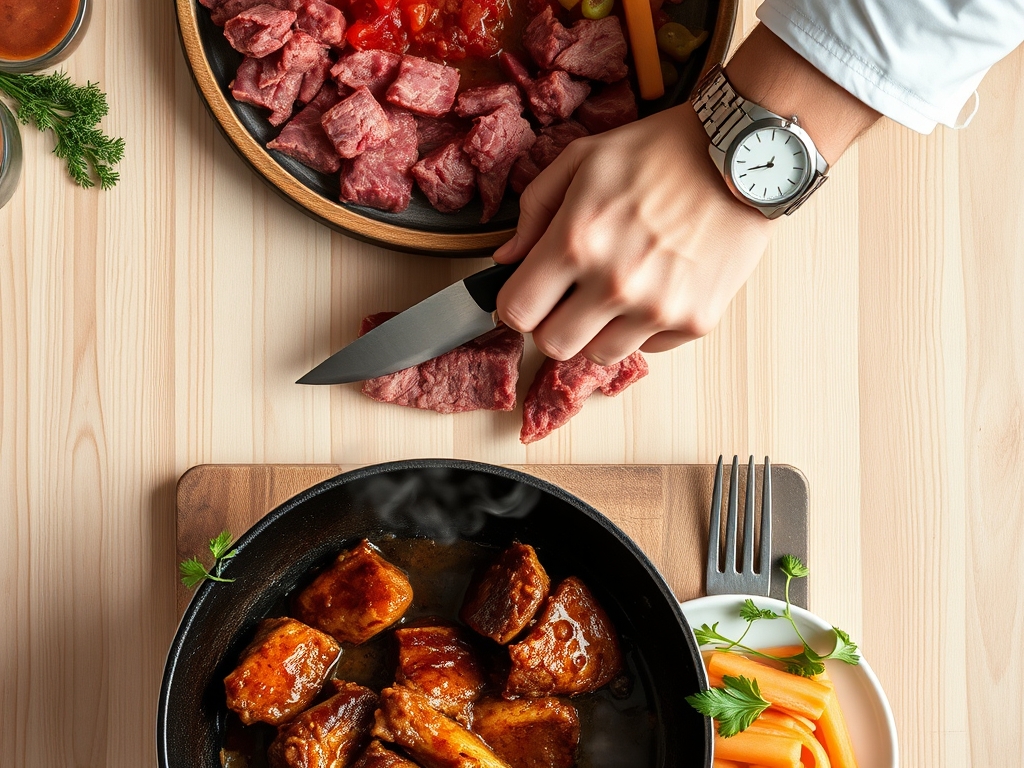
Place your lean beef into a preheated cast-iron skillet. Use a stiff spatula to break the meat into uniform small pieces. Do not move the meat for at least three minutes. This allows the proteins to undergo the Maillard reaction, creating complex flavor molecules.
Pro Tip: This is known as thermal contact. By resisting the urge to stir, you allow the surface temperature of the meat to exceed 300 degrees Fahrenheit, which is the threshold for browning. Moving it too early causes the meat to release water, resulting in a grey, boiled texture.
2. The Aromatic Infusion
Once the meat is browned, push it to the perimeter of the pan, creating a "well" in the center. Add your minced garlic, ginger, and shallots. Use the residual heat and the small amount of rendered fat to toast these aromatics until they become translucent and fragrant.
Pro Tip: Fat is a flavor carrier. By toasting your spices and aromatics in the small amount of beef fat, you are performing a lipid-based extraction of essential oils, which intensifies the flavor profile far more than if you added them to a liquid.
3. Deglazing the Fond
Pour a splash of acidic liquid, such as rice vinegar or lime juice, into the hot pan. Use your spatula to scrape up the brown bits stuck to the bottom. This is the "fond," and it contains the most concentrated beef flavor.
Pro Tip: Deglazing is a chemical process where the acid dissolves the caramelized proteins. This creates a viscous natural sauce that coats the meat, ensuring every bite is packed with umami without needing heavy creams or thickeners.
4. The Vegetable Volumizing
Fold in your high-volume vegetables, such as shredded cabbage or bell peppers. These should be cooked just until they lose their raw edge but retain a "snap." This preserves the cellular structure and the fiber content, which is vital for satiety.
Pro Tip: This is the principle of "Volume Eating." By maintaining the structural integrity of the vegetables, you increase the amount of chewing required, which signals to your brain that you are full faster than if the vegetables were mushy.
5. The Emulsified Finish
Turn off the heat and add a final touch of fresh herbs or a dash of coconut aminos. Toss the mixture vigorously to ensure the light sauce emulsifies with the remaining juices, creating a glossy, professional finish.
Pro Tip: Emulsification at the end of cooking prevents the sauce from breaking. The residual heat is enough to thicken the liquids into a coating that clings to the beef, providing a luxurious mouthfeel with minimal caloric impact.
The Deep Dive:
When we analyze the macro nutrition of these ground beef recipes for weight loss, the numbers are impressive. A standard serving provides approximately 30 grams of protein, 8 grams of healthy fats, and under 10 grams of net carbohydrates. This high protein-to-calorie ratio is the "Gold Standard" for fat loss, as protein has the highest thermic effect of food, meaning your body burns more energy just digesting it.
For those with specific dietary needs, these recipes are incredibly versatile. Keto adherents can swap the root vegetables for extra leafy greens and a touch of avocado. Vegan friends can substitute the beef with a pea-protein crumble, though the cooking time will decrease. If you are Gluten-Free, simply ensure your soy sauce is replaced with tamari or coconut aminos.
The Fix-It: If your meat ends up too dry, you likely overcooked it; fix this by folding in two tablespoons of beef broth or a dollop of Greek yogurt for creaminess. If the dish is too salty, add a squeeze of lemon juice to provide an acidic balance. If the beef is "steaming" instead of browning, drain the excess liquid immediately and turn up the heat. For meal prep, reheat your portions in a skillet with a teaspoon of water rather than the microwave. This uses steam to rehydrate the protein fibers, ensuring "day-one" quality and preventing that rubbery texture often associated with leftover beef.
The Wrap-Up:
You are now equipped with the technical prowess to turn a simple pack of ground beef into a week of culinary triumphs. Weight loss doesn't have to be a cycle of bland salads and uninspired chicken breasts. By mastering the art of the sear, the science of the deglaze, and the strategy of volume eating, you are taking control of your kitchen and your health. Grab your digital scale, sharpen your knives, and let the sizzle of that skillet be the soundtrack to your transformation. You’ve got the tools, the talent, and the taste to make this your most delicious season yet.
The Kitchen Table:
How do I choose the best beef for weight loss?
Look for labels stating 93/7 or 96/4 lean-to-fat ratios. These provide the highest protein density per calorie. Grass-fed options are preferable for their superior micronutrient profile and higher concentrations of conjugated linoleic acid, which may aid fat loss.
Can I freeze these ground beef meals?
Yes, ground beef is highly stable when frozen. Store your cooked meals in airtight glass containers to prevent freezer burn. To maintain texture, thaw the meal in the refrigerator overnight before reheating in a skillet to preserve the protein's moisture.
What is the best way to add flavor without calories?
Utilize high-impact aromatics and acids. Fresh lime juice, ginger, garlic, and vinegar add intense flavor profiles without significant calories. Using a microplane to zest citrus directly over the finished dish provides an aromatic lift that mimics the richness of fat.
Why does my ground beef turn grey instead of brown?
This happens when the pan is overcrowded or not hot enough, causing the meat to steam in its own juices. To fix this, cook in smaller batches and ensure your heavy-bottomed skillet is shimmering hot before adding the protein.