
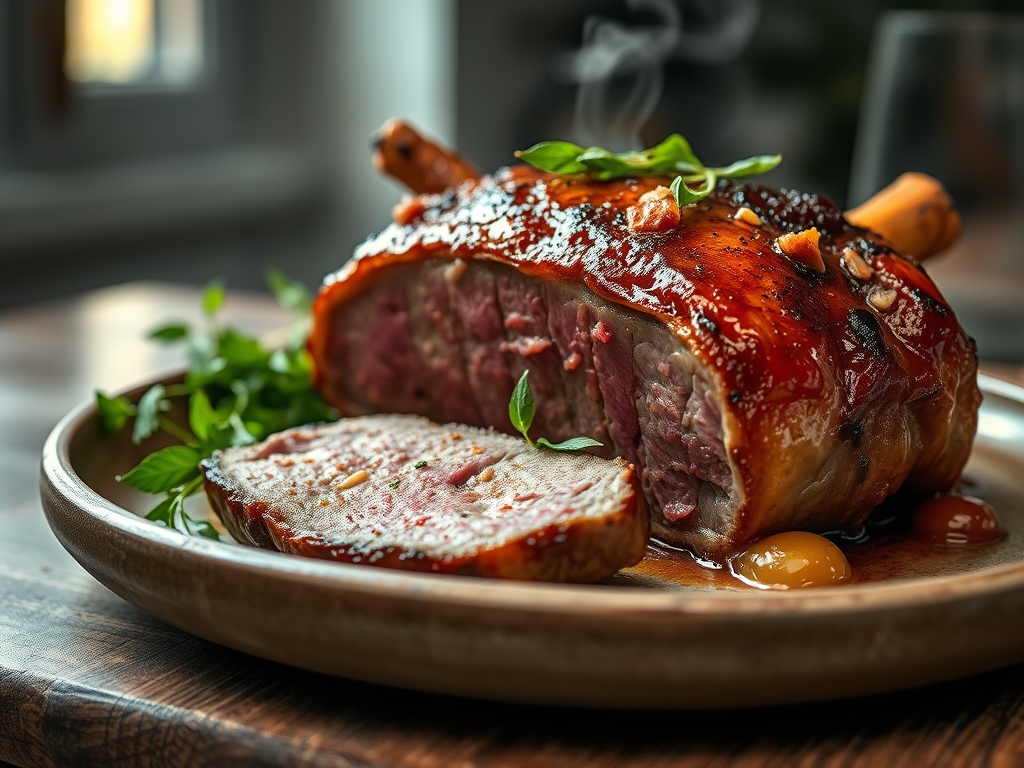
Picture a cold, drizzly Tuesday evening where the air smells of wet pavement and ambition. You walk through the door, and instead of the usual scent of takeout containers, you are hit with a wave of deep, savory umami that feels like a physical hug. That is the magic of mastering leg of beef recipes. This cut is the underdog of the butcher shop; it is lean, tough, and packed with connective tissue that most people find intimidating. However, when you treat it with the respect it deserves, those stubborn fibers transform into a silk-like texture that melts on the tongue. We are talking about a rich, viscous sauce and meat so tender it surrenders at the mere suggestion of a fork. It is not just dinner; it is a triumph of chemistry over collagen. I am going to show you how to turn this humble, budget-friendly cut into a centerpiece that looks like it belongs in a high-end bistro. Grab your favorite apron and a glass of something bold; we are about to dive into the beautiful, slow-burning science of the perfect braise.
The Gathers:
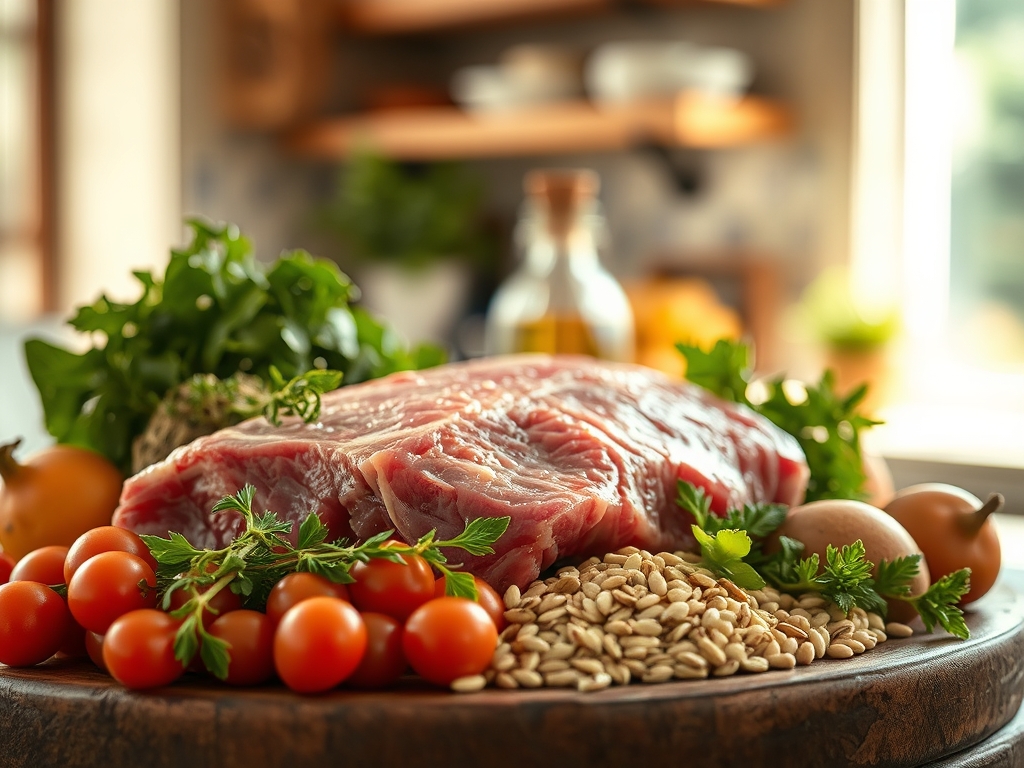
To achieve greatness, your mise-en-place must be intentional. We start with three pounds of beef leg, often labeled as shank or shin. Look for deep ruby red flesh and a thick, ivory white marrow bone in the center. You will need high-smoke-point fats like avocado oil or rendered beef tallow to facilitate the Maillard reaction without scorching. For the aromatic base, gather a classic mirepoix: crisp carrots, pungent yellow onions, and fibrous celery stalks.
The liquid gold of this recipe is the beef bone broth; choose one that is gelatin-rich so it coats the back of a spoon. You will also need a piquant tomato paste to add acidity and color, along with a dry red wine like Cabernet Sauvignon to deglaze the pan. For herbs, fresh sprigs of woody rosemary and thyme are non-negotiable.
Smart Substitutions: If you are avoiding alcohol, a splash of balsamic vinegar mixed with pomegranate juice provides that necessary acidic brightness. No beef leg at the market? A thick-cut chuck roast or oxtail can stand in, though you will lose the specific marrow-rich mouthfeel that defines leg of beef recipes. Use a digital scale to measure your aromatics; precision here ensures the sweetness of the carrots does not overpower the savory beef notes.
The Clock
Time is your most valuable ingredient when working with the leg. Expect a prep time of 30 minutes to trim, sear, and chop. The cook time is where the magic happens; you are looking at 3 to 4 hours of low-temperature simmering. This is the "Chef's Flow." You do the heavy lifting in the first half-hour, then let the laws of thermodynamics take over. Use a heavy-bottomed skillet for the initial sear to ensure even heat distribution, then transition to a Dutch oven or a saucier for the long braise. This allows you to clean as you go, leaving only a single pot to monitor while the kitchen fills with incredible aromas.
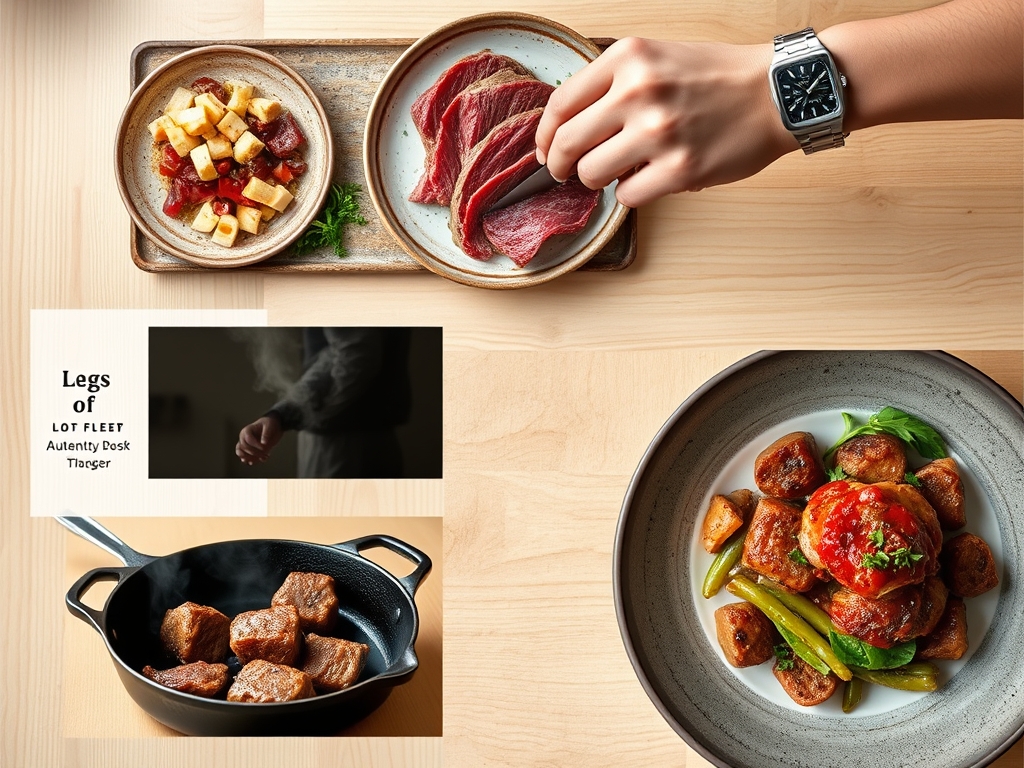
The Masterclass
1. The Tempering Ritual
Bring your beef to room temperature for at least 40 minutes before it touches the pan. Use a paper towel to pat the surface bone-dry. Moisture is the enemy of a good crust.
Pro Tip: This prevents a massive temperature drop in your pan. If the meat is cold, it will steam rather than sear, missing out on the Maillard reaction which creates hundreds of new flavor compounds.
2. The Aggressive Sear
Heat your heavy-bottomed skillet until the oil shimmers. Place the beef in and do not move it for four minutes. You want a dark, mahogany crust.
Pro Tip: This is called enzymatic browning. The sugars and amino acids on the surface are reorganizing into a complex flavor profile that provides the foundation for your entire sauce.
3. The Fond Foundation
Remove the meat and toss in your aromatics. Use a bench scraper to move them around, picking up the brown bits (the fond) stuck to the bottom.
Pro Tip: Those brown bits are concentrated umami. Adding a pinch of salt now draws out moisture from the onions, which helps deglaze the pan naturally before you even add liquid.
4. The Acidic Deglaze
Pour in your wine or substitute. Use a wooden spoon to scrape every last bit of flavor from the bottom. Reduce the liquid by half.
Pro Tip: Reducing the liquid concentrates the flavors and burns off the harsh alcohol bite, leaving only the fruity, complex notes behind.
5. The Low and Slow Immersion
Submerge the beef halfway in broth. Cover with a tight-fitting lid and place in a 300-degree Fahrenheit oven.
Pro Tip: A low temperature ensures that the collagen converts into gelatin without the muscle fibers tightening up and becoming rubbery. This is the secret to "fork-tender" results.
6. The Marrow Infusion
Halfway through, flip the meat. If your cut has a bone, ensure the marrow is facing the liquid so it can melt into the sauce.
Pro Tip: Marrow is pure fat and protein that acts as a natural emulsifier, giving your sauce a luxurious, velvety texture without needing heavy cream.
7. The Resting Phase
Once the meat pulls away easily, remove it from the heat. Let it sit in the liquid for at least 20 minutes before serving.
Pro Tip: This allows for thermal carryover and reabsorption. As the meat cools slightly, it draws the flavorful braising liquid back into its fibers, ensuring every bite is juicy.
8. The Sauce Refinement
Strain the liquid into a saucier and simmer until it coats a spoon. Use a microplane to zest a bit of fresh lemon over it at the very end.
Pro Tip: High-heat reduction increases the viscosity of the sauce. The hit of citrus provides a "top note" that cuts through the heavy fats.
9. The Final Presentation
Shred the meat gently and spoon the reduced glaze over the top. Garnish with fresh parsley for a pop of color and chlorophyll.
Pro Tip: Presentation affects perceived flavor. The contrast between the dark meat and bright herbs signals "freshness" to the brain, enhancing the eating experience.
The Deep Dive
Macro Nutrition: A standard serving of beef leg is a powerhouse of protein, offering roughly 30 grams per 4-ounce serving. It is naturally high in zinc and B12, making it excellent for immune support. Because we render the fat during the slow cook, you can skim the excess off the top to keep it lean.
Dietary Swaps: For a Keto version, serve this over mashed cauliflower instead of potatoes. Gluten-Free diners should ensure their beef broth is certified GF. For a Vegan alternative, use the same aromatic and braising technique with large "steaks" of lion's mane mushrooms or thick-cut celery root.
The Fix-It:
- Tough Meat: If it is still chewy, it simply hasn't cooked long enough. Put it back in. Collagen breakdown is a function of time and temperature.
- Greasy Sauce: Use a bread slice to blot the surface or chill the sauce so the fat hardens for easy removal.
- Bland Flavor: You likely need more acid. A teaspoon of apple cider vinegar can wake up a "flat" tasting stew instantly.
Meal Prep: Leg of beef recipes actually taste better the next day. As the dish cools, the flavors continue to infuse. When reheating, do so gently on the stovetop with a splash of water to loosen the gelatin; avoid the microwave, which can toughen the proteins.
The Wrap-Up
Mastering the leg of beef is like learning a secret language of the kitchen. It requires patience, a bit of scientific understanding, and the right tools. From the initial sear in your heavy-bottomed skillet to the final zest with a microplane, every step is designed to maximize flavor and texture. You have taken one of the hardest cuts of meat and turned it into a masterpiece. Now, plate it up, share it with someone you love, and bask in the glow of a job well done. You are officially a braising pro!
The Kitchen Table
How do I know when the beef is perfectly cooked?
The meat should pass the "fork test." When you insert a fork and twist slightly, the fibers should separate effortlessly without any resistance. If the meat springs back or feels rubbery, it requires more time for the collagen to dissolve.
Can I cook leg of beef in a slow cooker?
Yes, you can. Follow the searing and deglazing steps in a skillet first to develop flavor. Transfer everything to the slow cooker and set it on "Low" for 8 to 10 hours for the best texture and flavor depth.
Why is my braising liquid so thin?
A thin sauce usually means it hasn't been reduced enough. Remove the meat and simmer the liquid rapidly in a wide pan. This evaporates excess water, concentrating the gelatin and fats into a thick, glossy glaze that clings to the meat.
What is the best way to store leftovers?
Store the beef submerged in its cooking liquid in an airtight container. This prevents the meat from drying out. It will stay fresh in the refrigerator for up to four days or can be frozen for up to three months.