
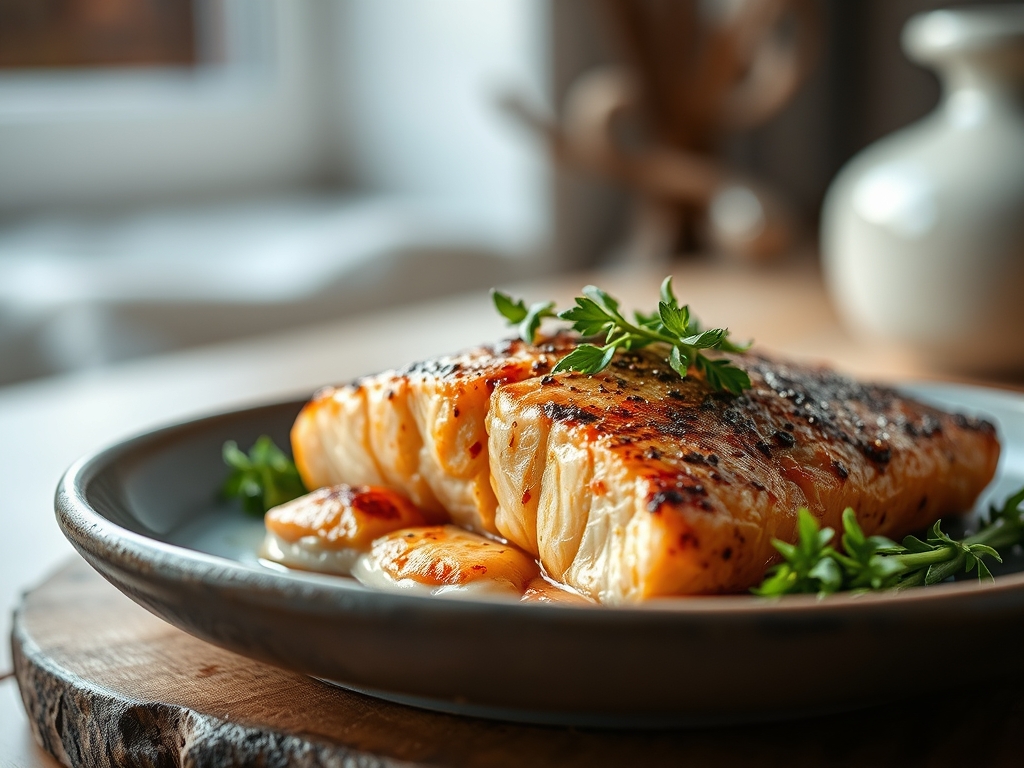
Imagine a three-foot slab of shimmering, silver-skinned Atlantic salmon resting on your counter. It is the undisputed crown jewel of the dinner party. While smaller fillets are fine for a Tuesday night, mastering whole salmon recipes oven style is about the theater of the table. There is something primal and deeply satisfying about sliding a massive, perfectly pink side of fish out of the heat; the fat has rendered into a silken glaze while the aromatics have infused every flake of the flesh. We are going beyond the basic lemon slice today. We are diving into the molecular mechanics of heat transfer to ensure your centerpiece is never dry, never gray, and always the most talked-about dish of the season.
The Gathers:
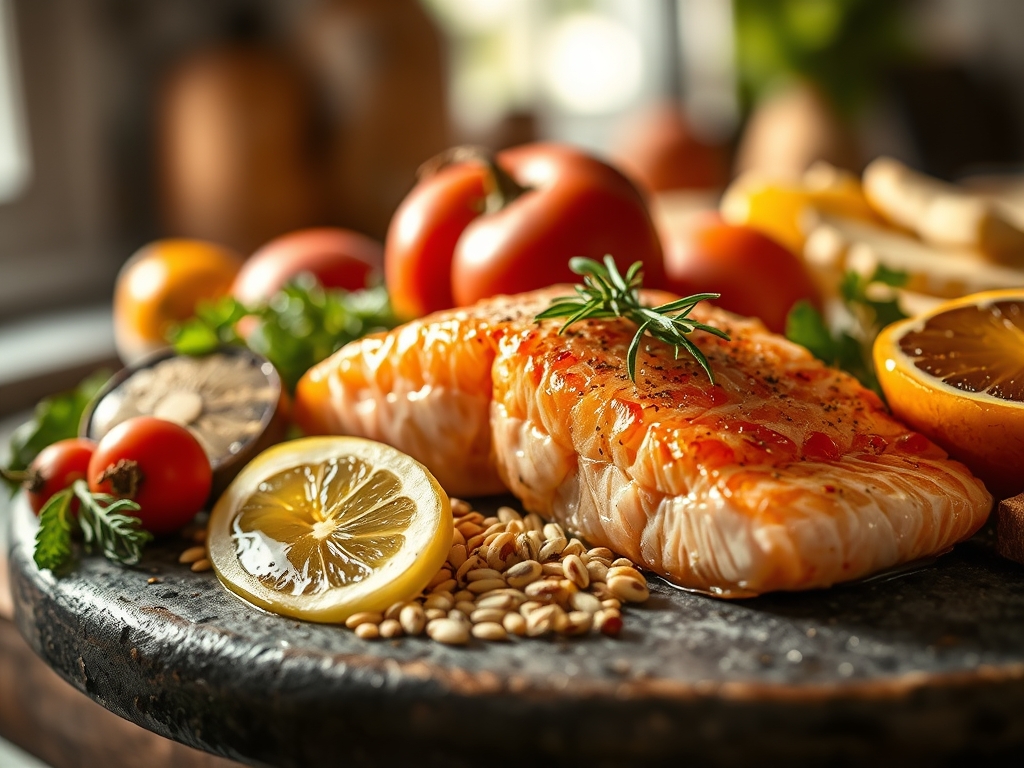
To achieve a restaurant-grade finish, your mise-en-place must be precise. Start with a side of salmon weighing between three and four pounds. You want the skin on; it acts as a thermal insulator that prevents the delicate proteins from seizing. For the flavor profile, gather a high-smoke-point fat like avocado oil or clarified butter. We need viscous liquids to carry our aromatics, so reach for raw honey and a splash of tamari.
You will need a microplane for zesting two organic lemons and grating a thumb of fresh ginger. Fresh herbs are non-negotiable. Grab a bundle of dill and parsley to provide a piquant contrast to the rich oils of the fish. If you lack fresh ginger, a smart substitution is a teaspoon of ground galangal or even a dash of prepared horseradish for that sharp, sinus-clearing bite. For the salt, use flaky Maldon or kosher salt to ensure even distribution without over-seasoning the interior.
The Clock
Efficiency in the kitchen is all about the Chef's Flow. This is the sequence of operations that ensures nothing sits idle. Your total active prep time is exactly 15 minutes. You will spend five minutes patting the fish dry and another ten preparing the glaze and herb bed.
The cook time is the variable. In a 375-degree oven, a whole side typically requires 15 to 20 minutes. However, the true "Chef's Flow" includes a mandatory 10-minute rest period. This allows for thermal carryover, where the internal temperature rises an additional five degrees off the heat. Total time from fridge to table is roughly 45 minutes, making this the highest-impact, lowest-effort meal in your repertoire.
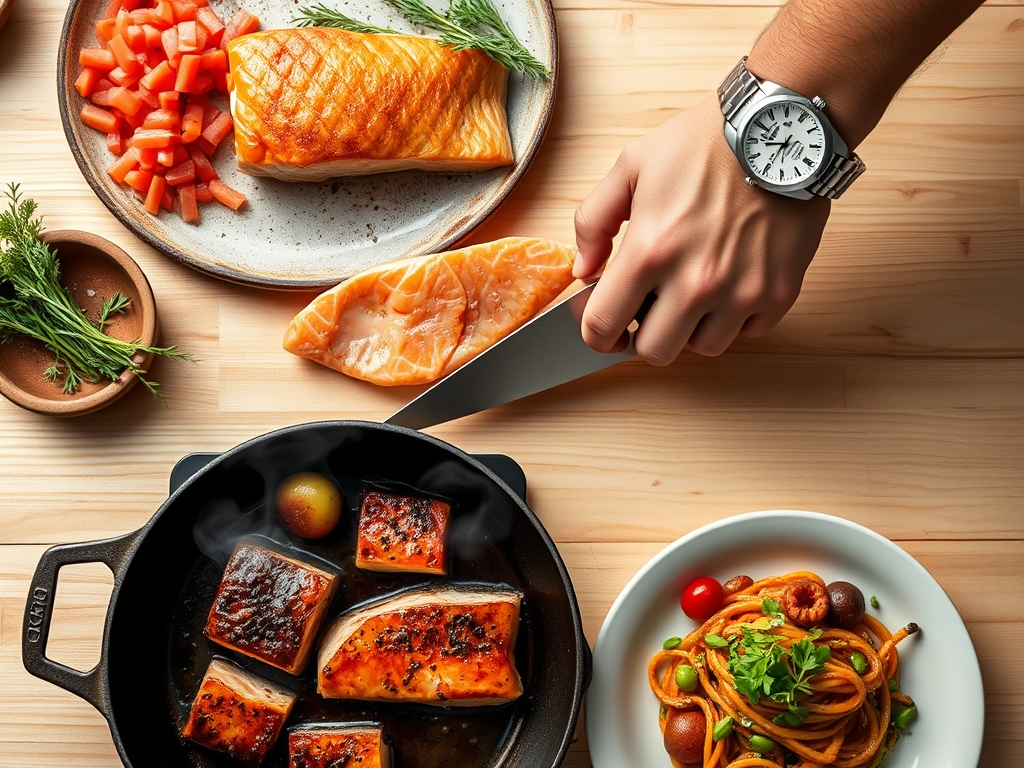
The Masterclass
1. The Moisture Purge
Lay your salmon on a parchment-lined baking sheet. Use heavy-duty paper towels to press firmly against the flesh and the skin. You are removing surface moisture to prevent the fish from steaming rather than roasting.
Pro Tip: This is about evaporative cooling. If the surface is wet, the oven's energy is wasted turning water into steam instead of browning the fish. A dry surface allows for a faster rise in temperature, resulting in a better texture.
2. The Acid and Oil Emulsion
In a small saucier or bowl, whisk together your oil, honey, and lemon juice. Use a silicone pastry brush to paint the mixture over the salmon. Ensure the coating is even and reaches the very edges of the tail.
Pro Tip: This creates a lipid barrier. The oil slows down the escape of internal moisture, while the sugars in the honey facilitate the Maillard reaction, giving you those golden, caramelized edges.
3. The Herb Foundation
Create a bed of sliced lemons and woody herb stems (like rosemary or thyme) underneath the fish. Scatter the soft herbs (dill and parsley) over the top only after the glaze is applied.
Pro Tip: This is infusion through convection. As the lemons heat up, they release essential oils that travel upward into the salmon, flavoring the meat from the bottom up while preventing the skin from sticking to the parchment.
4. Precision Thermal Monitoring
Slide your tray into the center rack. Insert a digital probe thermometer into the thickest part of the shoulder. Set your alert for 125 degrees Fahrenheit for a medium-rare finish.
Pro Tip: Salmon proteins, specifically myosin, begin to coagulate and squeeze out moisture at 130 degrees. By pulling the fish at 125, you utilize thermal carryover to reach the perfect 130-degree finish without the "white stuff" (albumin) leaking out.
5. The Final Rest
Once removed from the oven, tent the tray loosely with foil. Do not wrap it tightly, or you will trap steam and soften the beautifully roasted exterior. Let it sit for ten minutes.
Pro Tip: This allows the muscle fibers to relax. During cooking, the fibers tighten and push juices toward the center. Resting allows those juices to redistribute, ensuring every bite is succulent.
The Deep Dive
From a macro nutrition perspective, a whole side of salmon is a powerhouse. It is densely packed with Omega-3 fatty acids, specifically EPA and DHA, which are essential for brain health. A standard six-ounce serving provides roughly 34 grams of high-quality protein and zero carbohydrates, making it a staple for Keto and Paleo lifestyles.
For Dietary Swaps, vegans can apply this same glaze and herb technique to a "slab" of roasted cauliflower or a large block of firm tofu. If you are cooking for someone who is Gluten-Free, ensure your tamari is certified, as standard soy sauce contains wheat.
The Fix-It: Troubleshooting Common Pitfalls
- The White Gunk: If you see white patches (albumin) on the surface, you cooked it too fast or too long. The Fix: Gently scrape it off with a bench scraper and cover the area with fresh herbs or a gremolata.
- Soggy Skin: If the skin is limp, it didn't get enough direct heat. The Fix: Next time, start the salmon in a heavy-bottomed skillet on the stove for two minutes before moving it to the oven.
- Uneven Cooking: The tail is thin and cooks faster than the head. The Fix: Fold the thin tail underneath itself to create a uniform thickness across the entire side.
Meal Prep Science
To reheat salmon without it becoming "fishy" or rubbery, avoid the microwave. The high-frequency waves agitate water molecules too violently, destroying the delicate fat structure. Instead, use a "low and slow" approach in a 275-degree oven with a splash of water covered by foil to re-introduce moisture.
The Wrap-Up
Mastering whole salmon recipes oven techniques transforms you from a home cook into a culinary architect. By understanding the relationship between surface moisture, lipid barriers, and carryover heat, you can produce a centerpiece that is visually stunning and technically flawless. Remember to trust your thermometer over your timer; every oven has its own personality. Now, grab your tongs, zest those lemons, and prepare to host the best dinner of the year!
The Kitchen Table
How do I know when the salmon is done without a thermometer?
Press the thickest part of the fish with your finger or a fork. If the flesh flakes easily along the natural white lines (the fat deposits) and the color has changed from translucent to opaque, it is ready to rest.
Can I cook a whole salmon from frozen?
It is not recommended for a whole side. The exterior will overcook and become tough before the center reaches a safe temperature. Always thaw your salmon in the refrigerator for 24 hours for the best texture and safety.
What is the best way to remove the skin after roasting?
If the salmon is properly cooked, a long offset spatula or a bench scraper should slide easily between the flesh and the skin. The skin should remain on the parchment paper as you lift the fillet onto a serving platter.
How long does cooked whole salmon stay fresh in the fridge?
When stored in an airtight container, roasted salmon remains delicious for three to four days. For the best quality, flake the leftovers into a salad or fold them into a pasta sauce to maintain moisture during consumption.