
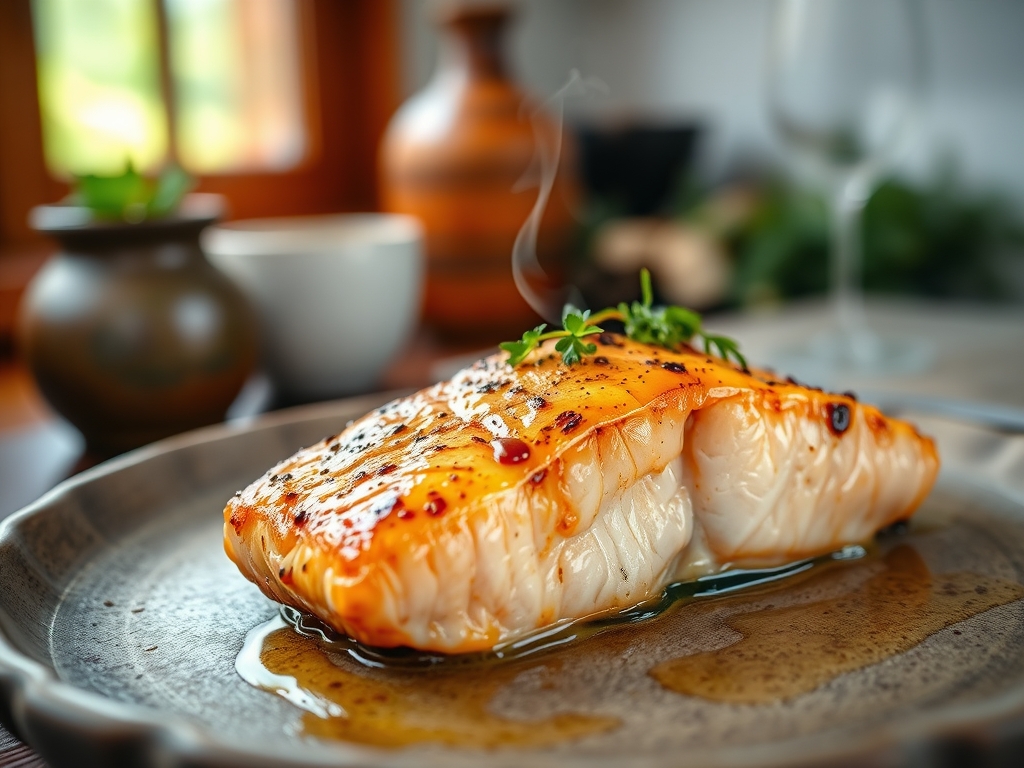
Close your eyes and imagine the scent of Meyer lemon zest hitting a hot, ceramic baking dish while a center-cut Atlantic fillet sizzles in a pool of infused brown butter. We have all spent those late nights mesmerized by the glowing screen, watching celebrity chefs turn a simple pink protein into a masterpiece. When you search for food network baked salmon recipes, you are not just looking for dinner; you are looking for that specific, high-definition culinary magic that balances a crispy, golden exterior with a translucent, buttery center. It is about the chemistry of heat and the architecture of flavor. Today, we are moving beyond the screen and into your kitchen to master the techniques that define professional-grade seafood. We will explore the molecular shifts that occur at 125 degrees Fahrenheit and why a heavy-bottomed pan is your best friend. Grab your apron; we are about to turn your oven into a five-star station.
The Gathers:
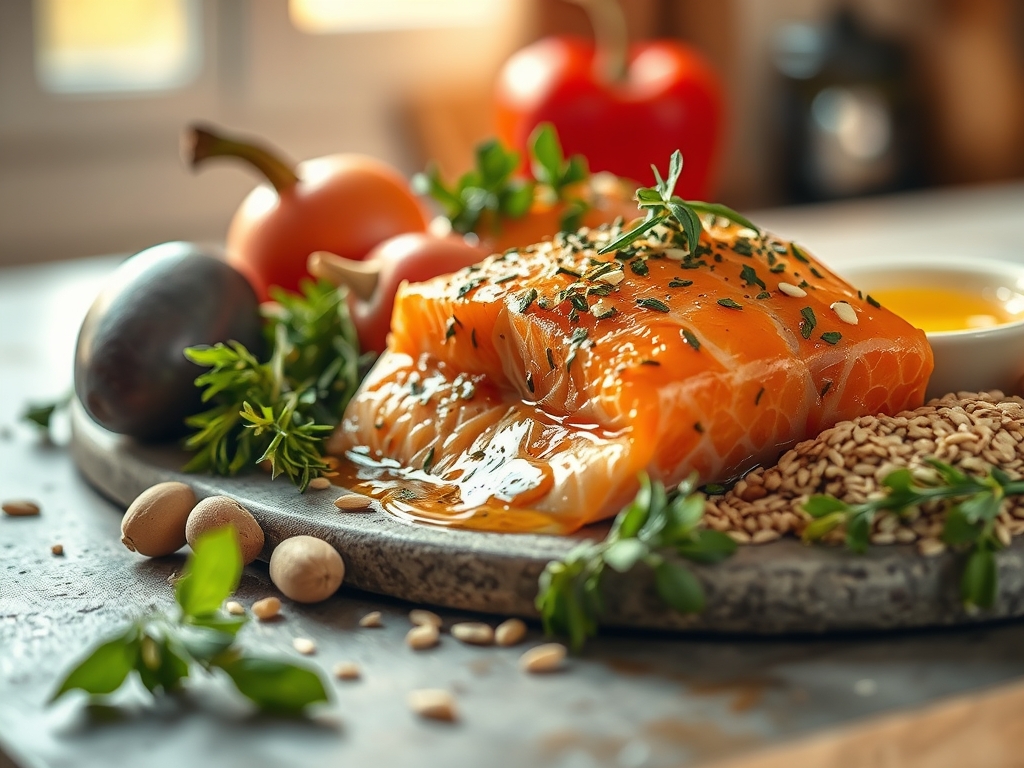
Setting up your station, or mise-en-place, is the difference between a frantic kitchen and a rhythmic flow. You will need high-quality fillets, preferably skin-on to protect the delicate flesh from direct thermal stress. For the aromatics, gather fresh dill, flat-leaf parsley, and garlic cloves that feel heavy for their size. You will also need a viscous honey or maple syrup to act as a glaze; this provides the sugars necessary for the Maillard reaction.
Your toolkit is just as vital as your ingredients. Pull out your microplane for zesting, a digital scale for precise portioning, and a saucier to emulsify your butter-based glazes. Do not forget a high-quality digital thermometer; in the world of salmon, two degrees is the difference between "succulent" and "sawdust."
Smart Substitutions:
If you are out of fresh citrus, a splash of high-quality white wine vinegar provides the necessary piquant acidity to cut through the fish's natural lipids. No honey? A brown sugar rub creates a similar lacquered finish. If you are avoiding dairy, swap the butter for a high-smoke-point avocado oil to ensure the skin achieves a shatteringly crisp texture without burning.
The Clock: Mastering the Chef's Flow
Efficiency in the kitchen is about "The Flow." Total active prep time for these food network baked salmon recipes is approximately 15 minutes, with a bake time ranging from 10 to 18 minutes depending on the thickness of the cut.
- The Chill Break (5 mins): Take the salmon out of the fridge 20 minutes before cooking. This prevents "thermal shock," ensuring the internal temperature rises evenly.
- The Prep (10 mins): While the oven preheats, zest your citrus and mince your herbs. This is when you use your bench scraper to neatly move chopped aromatics from board to bowl.
- The Roast (12-15 mins): The actual cooking phase.
- The Rest (5 mins): Crucial for moisture retention.
The Masterclass: Step-by-Step Excellence
1. The Surface Preparation
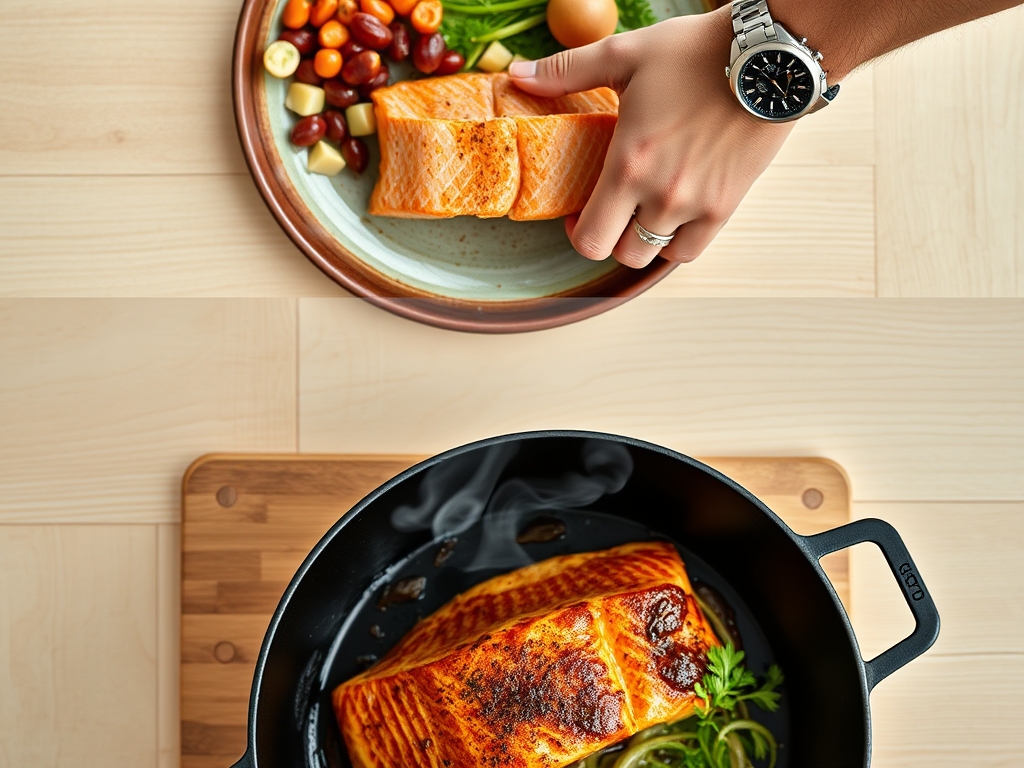
Pat the salmon dry with paper towels until the surface is completely matte. Use your tongs to flip the fish and ensure both sides are moisture-free. Moisture is the enemy of browning; any water left on the skin will create steam, resulting in a rubbery texture rather than a crisp one.
Pro Tip: This is the science of evaporative cooling. If the surface is wet, the energy of the oven goes into evaporating the water instead of browning the proteins. A dry surface allows the temperature to spike quickly, triggering the Maillard reaction.
2. The Seasoning Layer
Season aggressively with kosher salt from a height of at least twelve inches. This ensures an even distribution of crystals. Apply your fat source next, whether it is melted butter or oil, to act as a heat conductor.
Pro Tip: Salt acts as a denaturant. It begins to break down the tightly wound protein strands on the surface, allowing them to retain more moisture during the high-heat roasting process.
3. The Glaze Application
Using a silicone brush, apply your viscous glaze (honey, Dijon, and herbs) only during the last five minutes of baking. If you apply sugar-heavy glazes too early, they will carbonize and turn bitter before the fish is cooked through.
Pro Tip: This prevents caramelization overlap. By timing the glaze, you ensure the sugars reach the "hard crack" stage of texture right as the internal temperature of the salmon hits its target.
4. The Thermal Finish
Slide your tray into the center rack. Use your digital thermometer to check the thickest part of the fillet. Remove the salmon when it hits 125 degrees Fahrenheit for a medium-rare finish or 130 degrees for medium.
Pro Tip: This accounts for thermal carryover. Even after you remove the fish from the oven, the residual heat on the surface continues to move toward the center, raising the internal temperature by another 5 degrees while it rests.
The Deep Dive: Beyond the Pan
Macro Nutrition:
Salmon is a nutritional powerhouse. A standard 6-ounce portion delivers roughly 34 grams of high-quality protein and is rich in Omega-3 fatty acids (EPA and DHA). These essential fats are vital for brain health and reducing systemic inflammation.
Dietary Swaps:
- Vegan: Use the same glaze techniques on "steaks" of cauliflower or thick-cut firm tofu.
- Keto: Eliminate the honey and use a crust made of crushed macadamia nuts and lemon zest for a high-fat, low-carb crunch.
- GF: Ensure your soy sauce is swapped for tamari or coconut aminos in Asian-inspired glazes.
The Fix-It: Troubleshooting Common Failures
- The White Gunk (Albumin): If you see white liquid seeping out, you have cooked it too fast or too long. The muscle fibers have contracted so tightly they squeezed out the internal proteins. Fix: Lower your oven temp next time and pull the fish 5 degrees earlier.
- Soggy Skin: This happens when the pan isn't hot enough or there is too much liquid in the tray. Fix: Preheat your baking sheet in the oven before placing the fish on it.
- Uneven Cooking: Thin tail pieces cook faster than thick centers. Fix: Fold the thin tail underneath itself to create a uniform thickness across the entire fillet.
Meal Prep & Reheating:
To maintain "day-one" quality, never microwave salmon. The high-frequency waves agitate the fat molecules too quickly, making the fish taste "fishy." Instead, reheat in a 275-degree oven with a splash of water and a foil cover to infuse moisture back into the flakes.
The Wrap-Up
Mastering food network baked salmon recipes is about more than following a list of ingredients; it is about understanding how heat interacts with protein and fat. When you use the right tools, like a microplane for aromatics and a digital thermometer for precision, you take the guesswork out of the kitchen. You are now equipped to create a meal that is visually stunning, scientifically sound, and incredibly delicious. Go ahead, play with your flavors, trust your internal chef, and turn dinner into an event.
The Kitchen Table
How do I prevent salmon from sticking to the pan?
Always preheat your pan and use a layer of parchment paper or a generous coating of high-smoke-point oil. Ensuring the fish is room temperature before it hits the hot surface also creates an immediate sear that prevents sticking.
What is the best temperature for baking salmon?
For most food network baked salmon recipes, 400 degrees Fahrenheit is the "sweet spot." It is hot enough to crisp the skin and caramelize glazes quickly without drying out the delicate interior of the fillet.
How can I tell if salmon is done without a thermometer?
Gently press the top of the fillet with a fork or your finger. If the flakes begin to separate (flake) easily along the white lines of fat, it is ready. The center should still look slightly translucent.
Why does my salmon smell "fishy" after cooking?
True freshness is key, but "fishiness" is often caused by oxidized fats. To neutralize this, use an acid like lemon juice or vinegar. This chemically binds to the trimethylamines, the compounds responsible for the odor, and neutralizes them.