
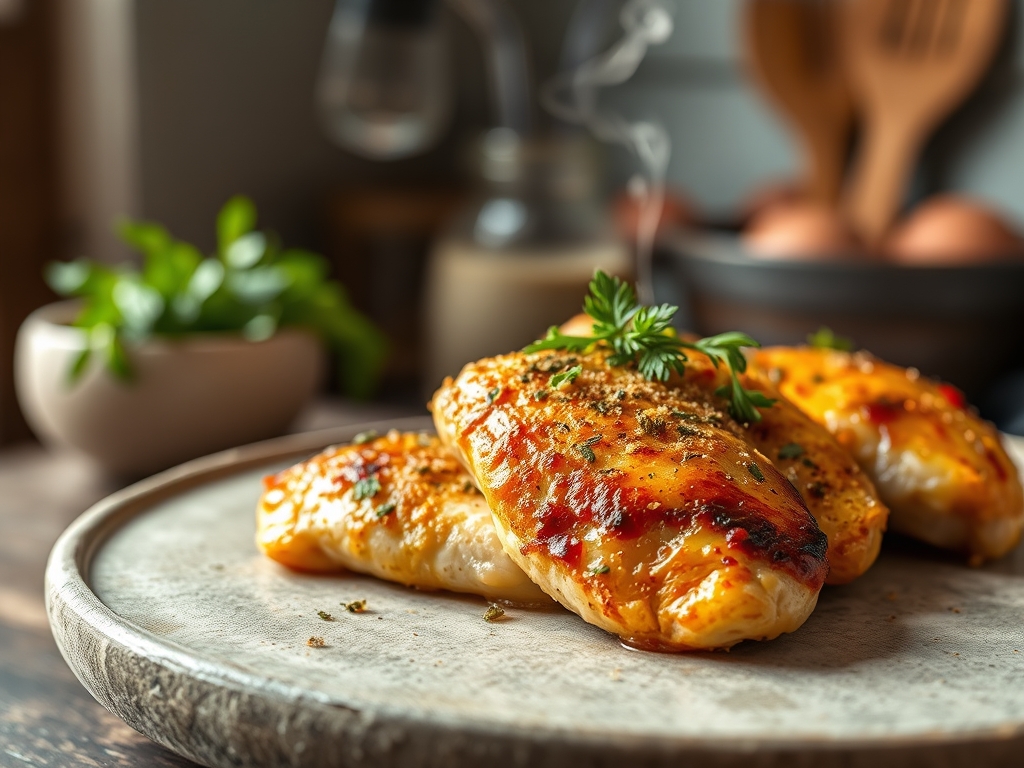
Picture a kitchen filled with the scent of toasted garlic and buttermilk tang; it is the ultimate comfort signal. When you are staring at a pack of poultry on a Tuesday night, chicken recipes ranch seasoning are your secret weapon for instant flavor elevation. We are not just talking about a sprinkle of salt here. We are talking about a complex chemical interaction between dried herbs, lactic acid, and aromatic alliums that transforms a bland breast into a succulent masterpiece. This seasoning acts as a dry brine; the salt draws moisture out before the cellular structure reabsorbs it, pulling the piquant flavors of dill and chive deep into the muscle fibers. Whether you are aiming for a crispy crust or a velvety sauce, these hacks rely on the molecular magic of umami. We are going to dive into the physics of the perfect sear and the chemistry of emulsification to ensure every bite is a revelation. Grab your apron and your favorite heavy-bottomed skillet because we are about to turn a pantry staple into a culinary flex that will make your friends think you have a secret culinary degree.
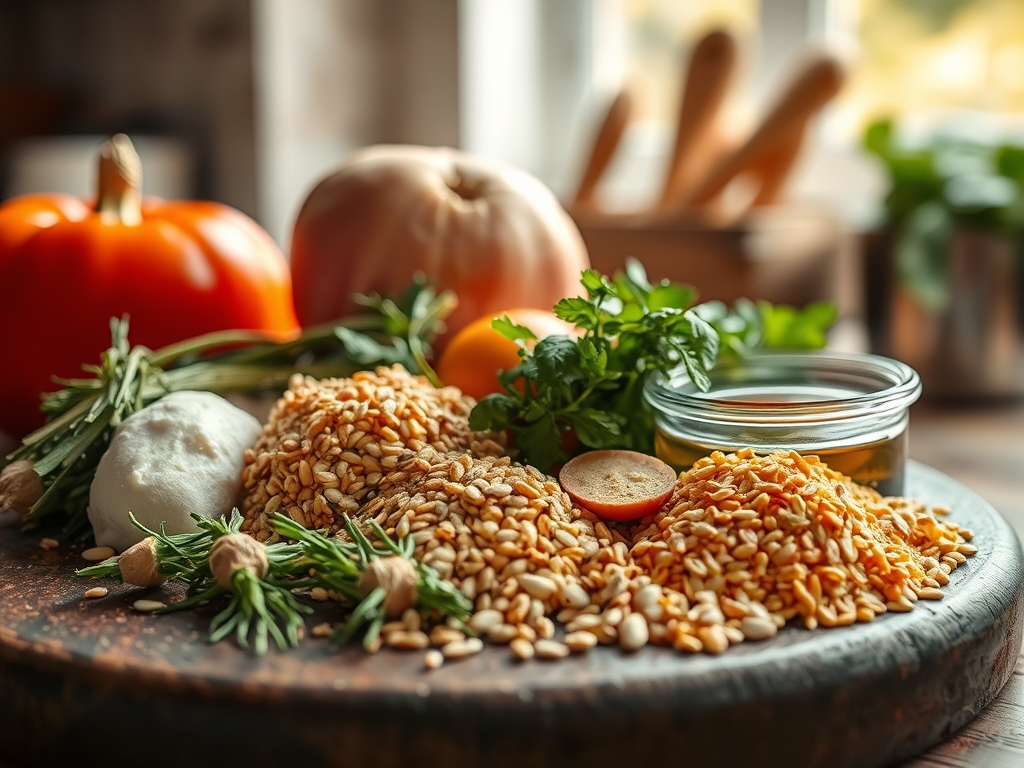
The Gathers:
To execute these hacks, your mise-en-place must be precise. You will need high-quality chicken cuts; thighs offer more myoglobin and fat for flavor, while breasts require a more delicate touch to avoid desiccation. The ranch seasoning itself is a powdered powerhouse of buttermilk solids, dried parsley, granulated onion, and garlic. Use a digital scale to measure your proteins; consistency is the bedrock of professional cooking. You will also need a high-smoke-point oil, such as avocado or grapeseed oil, to facilitate the Maillard reaction without acrid scorching.
For your Smart Substitutions, consider the following. If you are dodging dairy, a blend of nutritional yeast, dried dill, and citric acid mimics that buttermilk zing perfectly. If you find your seasoning mix is too sodium-heavy, cut it with equal parts cornstarch or arrowroot powder. This not only tempers the salt but also creates a viscous slurry when it hits the natural juices of the meat. Always keep a microplane nearby to zest a fresh lemon over the finished dish; the citric acid acts as a bright top note that cuts through the richness of the dried herbs.
The Clock:
In the world of professional kitchens, we call this the Chef's Flow. Total active prep time for these hacks is a mere 15 minutes, while cook times range from 12 minutes for a pan-sear to 25 minutes for a full roast. The "Flow" means you are prepping your sides while the chicken undergoes its initial thermal transition. Never move straight from the fridge to the pan. Allow your meat to temper on the counter for 20 minutes; this ensures the internal temperature rises evenly, preventing a rubbery exterior and a raw center.
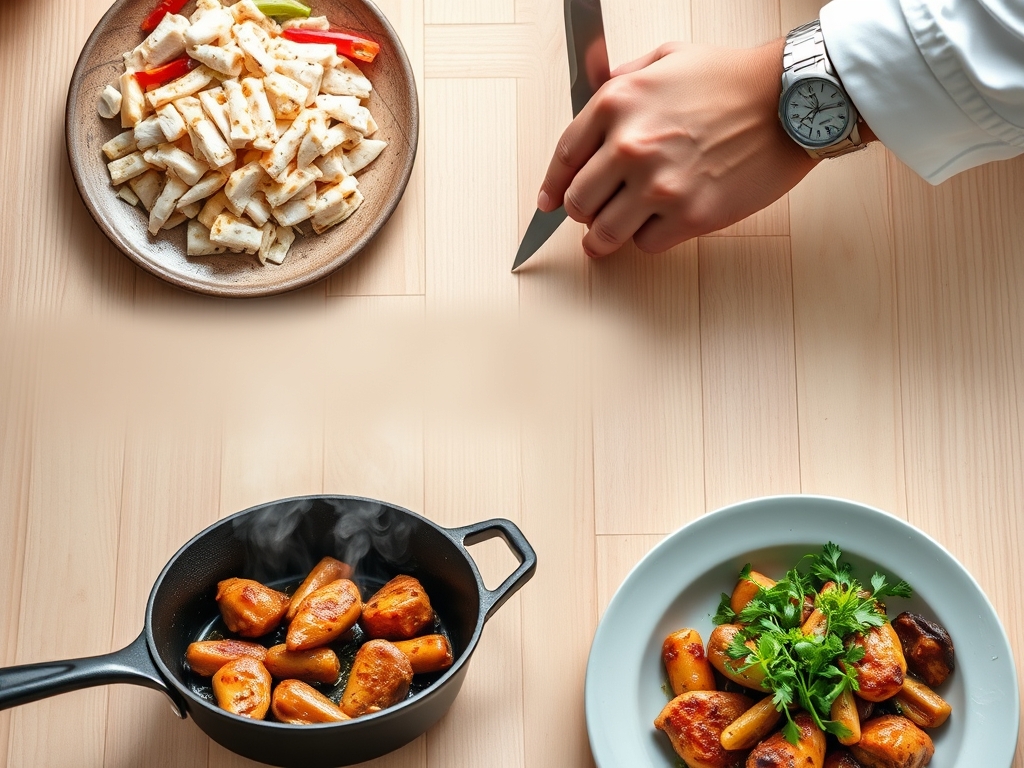
The Masterclass:
1. The Dry-Brine Crust
Pat your chicken bone-dry with paper towels to remove surface moisture. Dust the ranch seasoning liberally over the skin. Use your hands to massage the powder into the crevices, ensuring total coverage. Let it sit for ten minutes before searing.
Pro Tip: This delay allows the salt in the seasoning to break down the myofibrillar proteins, which increases the meat's water-holding capacity and results in a more tender bite.
2. The Buttermilk Emulsion
In a saucier, whisk together ranch seasoning and a splash of heavy cream or Greek yogurt. Toss your cooked chicken strips into this mixture over low heat until the sauce becomes viscous and clings to the protein.
Pro Tip: Use a low heat setting to prevent the proteins in the dairy from denaturing and curdling; a smooth emulsion requires gentle agitation and controlled temperature.
3. The Panko-Ranch Crunch
Mix your seasoning with panko breadcrumbs and a tablespoon of melted butter. Press this mixture onto the top of chicken breasts and bake at 400 degrees Fahrenheit.
Pro Tip: The fat in the butter acts as a heat conductor, ensuring even enzymatic browning of the breadcrumbs while the ranch powder infuses the crust with savory depth.
4. The Deglaze Delight
After pan-frying your ranch-rubbed chicken, use a splash of chicken stock or white wine to deglaze the pan. Use a bench scraper or wooden spoon to lift the "fond" (the browned bits) from the bottom.
Pro Tip: The fond is concentrated umami; by incorporating it back into a sauce, you are capturing the results of the Maillard reaction for a more complex flavor profile.
5. The Slow-Cooker Shred
Place whole thighs in a slow cooker with a packet of ranch seasoning and a block of cream cheese. Cook on low for six hours until the connective tissue, known as collagen, transforms into silky gelatin.
Pro Tip: This process, called hydrolysis, is what makes meat "fall-apart tender" by breaking down tough fibers into a rich, melt-in-your-mouth texture.
6. The Air-Fryer Flash
Lightly coat chicken wings in oil and ranch powder. Air-fry at 380 degrees, shaking the basket halfway through using tongs to ensure even airflow.
Pro Tip: Air fryers utilize high-velocity convection currents, which rapidly dehydrate the surface of the chicken to create a shatteringly crisp skin without deep frying.
The Deep Dive:
From a nutritional standpoint, chicken recipes ranch seasoning are high-protein powerhouses. A standard 4-ounce serving of ranch-seasoned breast contains roughly 31 grams of protein and 160 calories. To keep it Keto, stick to heavy cream and butter bases. For a Vegan twist, use the seasoning on cauliflower steaks or soy-based "chicken" strips. If you are Gluten-Free, verify that your seasoning brand does not use flour as an anti-caking agent.
The Fix-It:
- Problem: The seasoning is burning in the pan. Fix: Your heat is too high; the milk solids in the ranch powder have a low scorch point. Lower the flame and add a tablespoon of oil to buffer the heat.
- Problem: The chicken is dry. Fix: You likely missed the carryover cooking window. Pull the chicken when it hits 160 degrees Fahrenheit; it will reach the safe 165 mark while resting.
- Problem: The flavor is too muted. Fix: You need an acid. Squeeze fresh lime or add a teaspoon of vinegar to aerate the heavy flavors and wake up the palate.
For Meal Prep, reheating is a science. Avoid the microwave, which vibrates water molecules and makes the meat rubbery. Instead, reheat in a covered skillet with a teaspoon of water to create steam, restoring the "day-one" moisture levels.
The Wrap-Up:
Mastering chicken recipes ranch seasoning is about more than just a quick dinner; it is about understanding how simple ingredients can achieve professional-grade results through smart technique. By manipulating heat, acidity, and protein structures, you have turned a pantry staple into a versatile tool for any night of the week. Now, take these hacks, grab your tongs, and go dominate your kitchen with the confidence of a seasoned chef.
The Kitchen Table:
How do I keep ranch seasoning from clumping?
Store your seasoning in a cool, dry place and add a few grains of uncooked rice to the jar. The rice acts as a natural desiccant, absorbing moisture before it can hydrate the powder and cause clumps.
Can I use ranch dressing instead of seasoning?
You can, but the high water and oil content in liquid dressing prevents a proper sear. For the best results in high-heat recipes, use the dry seasoning to achieve a crust, then finish with liquid dressing as a garnish.
Why does my ranch chicken taste too salty?
Many pre-packaged mixes contain high sodium levels. To fix this, mix your seasoning with unsalted butter or Greek yogurt before applying it to the chicken. This dilutes the salt concentration while maintaining the herbal flavor profile.
What is the best way to apply seasoning evenly?
Use a fine-mesh sieve or a shaker jar to distribute the powder from about twelve inches above the meat. This height allows the particles to disperse in the air, ensuring a uniform coating without any concentrated "salt bombs."