
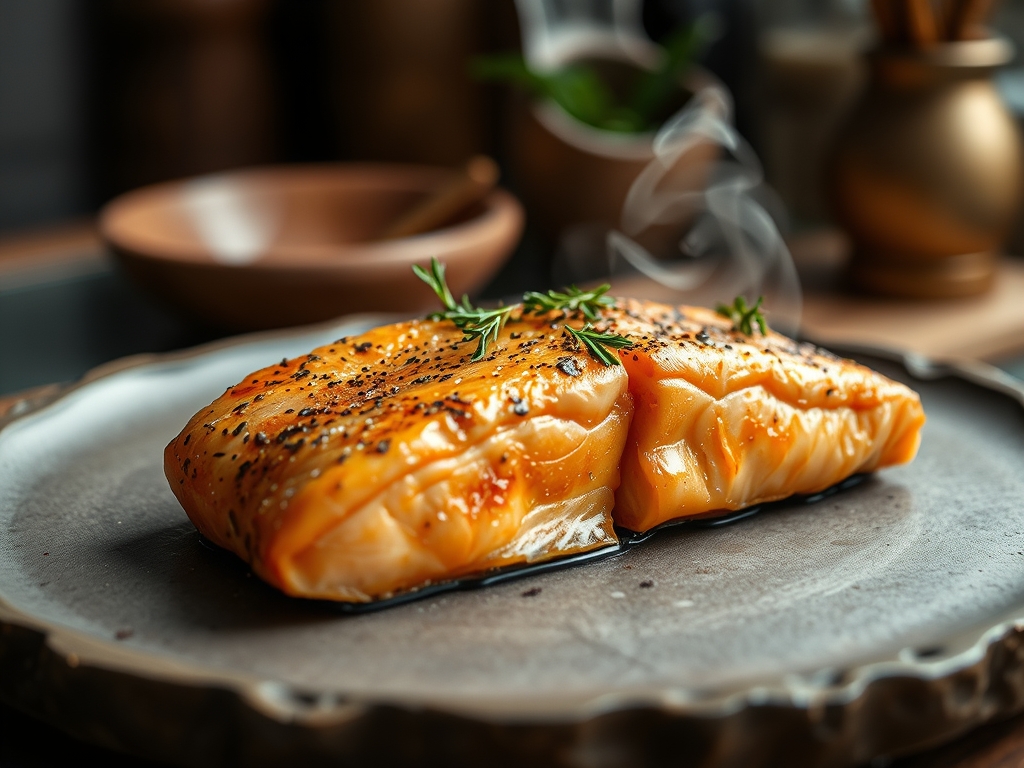
Imagine peeling back the foil seal to reveal a protein that is perfectly cured, incredibly versatile, and ready for a transformation. These packaged salmon recipes are the ultimate hack for the modern kitchen; they bypass the messy descaling and pin-bone removal while retaining the healthy omega-3 fatty acids your brain craves. We are about to elevate this pantry staple into a series of sophisticated, high-speed meals that taste like they were plucked from a bistro menu.
The beauty of high-quality pouched or canned salmon lies in its preservation. Unlike raw fillets that lose moisture rapidly during high-heat searing, packaged salmon has already undergone a gentle thermal process. This means our job is not to cook it, but to infuse it with texture, acidity, and aromatic depth. We are going to manipulate the viscous nature of healthy fats to create emulsions that cling to every flake. Whether you are craving a piquant citrus salad or a crispy salmon cake with a golden crust, these upgrades rely on smart chemistry rather than hours at the stove. Grab your favorite apron and a glass of something crisp; we are turning "convenience food" into a culinary masterclass.
The Gathers:
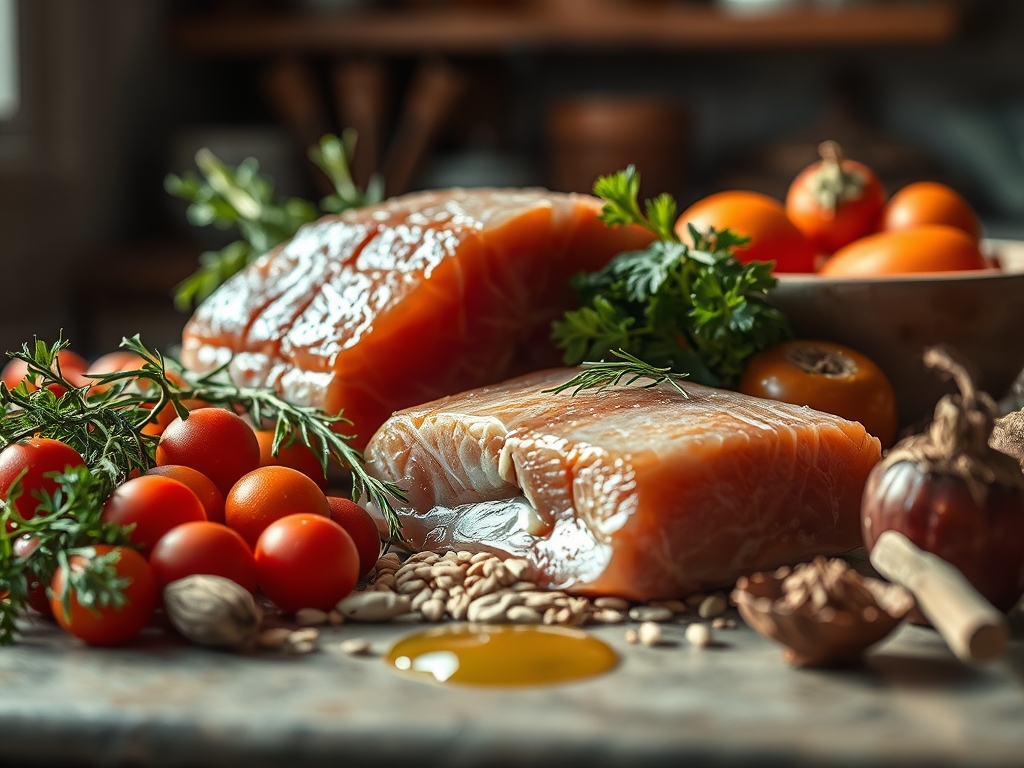
To execute these packaged salmon recipes with precision, your mise-en-place must be organized. Start with high-quality pink or sockeye salmon pouches; look for "wild-caught" labels to ensure a firmer texture and higher mineral content. You will need a microplane for zesting citrus and grating fresh ginger to release volatile oils. A heavy-bottomed skillet is essential for any recipe requiring a sear, as it provides even heat distribution to prevent patchy browning.
For the binding agents, gather Greek yogurt or Kewpie mayo to provide a rich, fatty base. Fresh herbs like dill, chives, and cilantro are non-negotiable; they provide the chlorophyll-rich brightness that cuts through the oily profile of the fish. Smart Substitutions: If you are out of fresh lemons, a splash of rice vinegar or caper brine provides the necessary acidity to balance the palate. For a crunch factor without breadcrumbs, crushed pork rinds or almond flour work beautifully to maintain a low-carb profile while offering a satisfying snap.
The Clock
Efficiency in the kitchen is all about the "Chef's Flow." These nine upgrades are designed to move from the pantry to the plate in under 15 minutes. Spend the first 4 minutes on your prep: dicing aromatics with a sharp chef's knife and measuring out your liquids. The middle 6 minutes are for the "active" phase, where you will deglaze pans or whisk dressings to create a stable emulsion. The final 5 minutes are for plating and garnishing. By following this rhythm, you ensure that cold components stay crisp and hot components retain their thermal energy, resulting in a professional-grade contrast in every bite.
The Masterclass
1. The Mediterranean Flake
Empty the salmon into a glass bowl and use a fork to gently separate the flakes without pulverizing the muscle fibers. Fold in minced cucumbers, kalamata olives, and a heavy hand of feta cheese. Drizzle with extra virgin olive oil and a squeeze of charred lemon.
Pro Tip: This step utilizes acidic denaturation. The lemon juice slightly firms up the proteins in the salmon, giving it a texture closer to fresh-poached fish while cutting through the richness of the olive oil.
2. Crispy Skin-Style Pan Sear
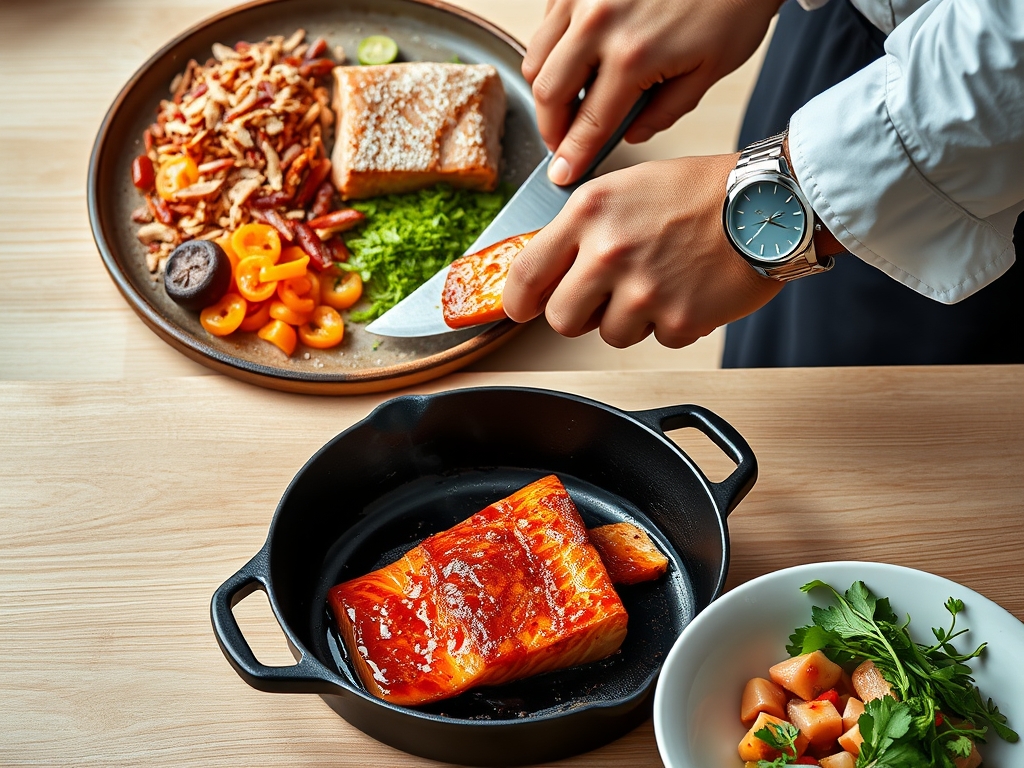
Dust the exterior of your salmon cakes or chunks with a light coating of cornstarch. Heat a tablespoon of avocado oil in a heavy-bottomed skillet until it reaches the shimmering point. Sear for 90 seconds per side until a golden crust forms.
Pro Tip: This relies on the Maillard reaction. By adding a starch coating, you facilitate the chemical reaction between amino acids and reducing sugars, creating that savory, "browned" flavor profile that packaged fish often lacks.
3. The Umami Glaze
Whisk together miso paste, honey, and soy sauce in a small saucier. Toss the salmon in the mixture and flash-broil for 2 minutes until the sugars begin to bubble and darken.
Pro Tip: This is all about caramelization. The high heat transforms the honey's sugars into complex flavor compounds, while the miso provides a fermented depth that mimics the "aged" flavor of high-end seafood.
4. The Aerated Mousse
Place your salmon in a food processor with cream cheese, capers, and plenty of fresh dill. Pulse until smooth, then whip on high for 30 seconds to incorporate air.
Pro Tip: You are creating a stable emulsion. The fats in the cream cheese encapsulate the tiny droplets of moisture in the salmon, resulting in a light, airy texture that feels luxurious on the tongue.
5. Zesty Salmon Tacos
Toss the salmon with lime juice, chipotle in adobo, and a pinch of cumin. Serve in charred corn tortillas with a cabbage slaw that has been massaged with salt to soften the cellulose.
Pro Tip: Massaging the cabbage breaks down the pectin in the cell walls. This makes the slaw easier to digest and allows the lime dressing to penetrate deeper into the vegetable for better flavor distribution.
6. The Herb-Infused Grain Bowl
Fold flaked salmon into warm quinoa or farro. Add a handful of "soft" herbs like parsley and mint, then finish with a dollop of tahini thinned with warm water.
Pro Tip: This uses thermal carryover. The residual heat from the grains gently warms the salmon without drying it out, while the warm water in the tahini helps to aerate the sauce for a creamier mouthfeel.
7. Spicy Salmon Onigiri
Mix salmon with sriracha and a touch of sesame oil. Press into seasoned sushi rice using a mold or wet hands, then wrap with a strip of crisp nori.
Pro Tip: The vinegar in the sushi rice acts as a palate cleanser. It provides a sharp contrast to the fatty salmon, making each bite feel fresh rather than heavy.
8. The Smoked Pepper Pasta
Deglaze a pan with white wine after sautéing garlic. Stir in the salmon and a splash of heavy cream, then toss with al dente pasta and plenty of cracked black pepper.
Pro Tip: Using the pasta water is key here. The starches in the water act as a bridge between the watery wine and the fatty cream, creating a silky sauce that coats every strand.
9. The Everything Bagel Salad
Combine salmon with "everything" bagel seasoning, diced red onion, and chopped hard-boiled eggs. Serve over a bed of bitter greens like arugula.
Pro Tip: The bitter compounds in the arugula (glucosinolates) provide a flavor bridge to the savory garlic and onion in the seasoning, creating a balanced and complex profile.
The Deep Dive
From a nutritional standpoint, these packaged salmon recipes are powerhouses. A single 5-ounce pouch typically contains 20 to 25 grams of protein and is rich in Vitamin D and B12. For those following specific diets, the swaps are simple. Keto followers should lean into the avocado oil and mayo-based dressings. Vegan friends can swap salmon for mashed chickpeas seasoned with dulse flakes for that "ocean" flavor. Gluten-Free diners simply need to ensure their soy sauce is replaced with tamari.
If your salmon dish tastes "too fishy," the fix is simple: add more acid or a pinch of sugar to neutralize the trimethylamine (the compound responsible for the scent). If the texture is too dry, fold in a viscous fat like avocado or a soft-poached egg yolk. To reheat leftovers, avoid the microwave; instead, use a low-heat steamer or a gentle sauté with a splash of broth to maintain "day-one" moisture levels.
The Wrap-Up
Mastering packaged salmon recipes is about embracing the science of flavor to make quick meals feel like a deliberate act of self-care. By using professional tools like the microplane and understanding the chemistry of emulsification, you can turn a humble pantry pouch into a gourmet experience. These nine upgrades are just the beginning; once you understand how to balance fat, acid, and heat, the possibilities for fast, healthy dining are endless.
The Kitchen Table
How do I make packaged salmon taste fresh?
Always drain the excess liquid and immediately introduce a high-acid component like lemon juice or vinegar. This neutralizes fishy odors and firms up the protein structure. Adding fresh, "live" ingredients like herbs or sprouts also mimics the vibrancy of fresh fish.
Is pouched salmon better than canned salmon?
Pouches generally undergo less intense heat processing than cans, which often results in larger flakes and a firmer texture. Canned salmon is excellent for patties or mousses where the structure is broken down, while pouches excel in salads and bowls.
Can I freeze leftover salmon salad?
It is not recommended. Freezing breaks down the cellular structure of the fish and can cause mayo-based dressings to "break" or separate. For the best quality, consume within two days and store in an airtight glass container to prevent oxidation.
What is the best way to get a crispy crust?
Pat the salmon completely dry with a paper towel before adding a light dusting of starch. Use a heavy-bottomed skillet with a high-smoke-point oil like avocado oil, and do not move the fish until a natural crust has formed.