
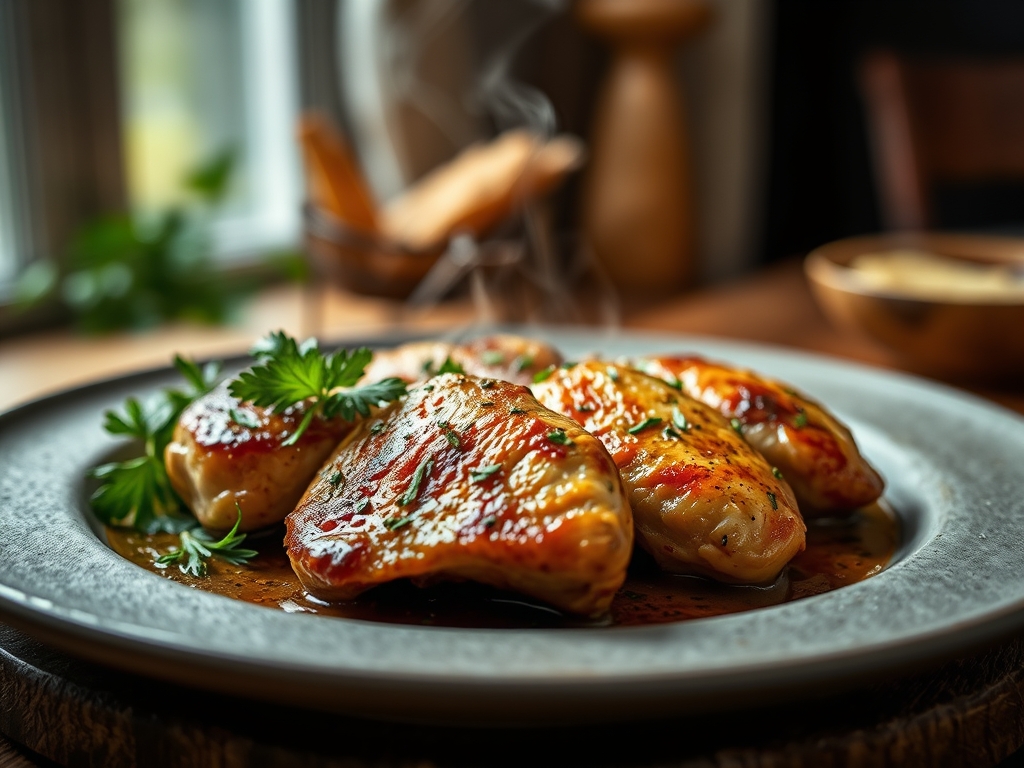
Imagine the sizzle of a heavy bottomed skillet meeting cold olive oil; that sharp, aromatic crackle is the sound of your Sunday afternoon transforming from a chore into a culinary masterpiece. We are diving deep into nine smart meal prep chicken recipes that promise to banish the rubbery, bland leftovers of your past. This is not just about filling plastic containers; it is about mastering the alchemy of protein so every lunch feels like a fresh invitation to indulge.
The secret to a successful week lies in the preparation of the bird itself. Whether you prefer the lean profile of the breast or the succulent, fat-rendered glory of the thigh, we are going to treat these proteins with the respect they deserve. By leveraging high heat and intelligent seasoning, we can ensure that your meal prep chicken recipes maintain their structural integrity even after three days in the refrigerator. We are aiming for that perfect balance of a golden, Maillard-driven crust and a tender, juicy interior that defies the typical dryness of reheated poultry.
The Gathers:
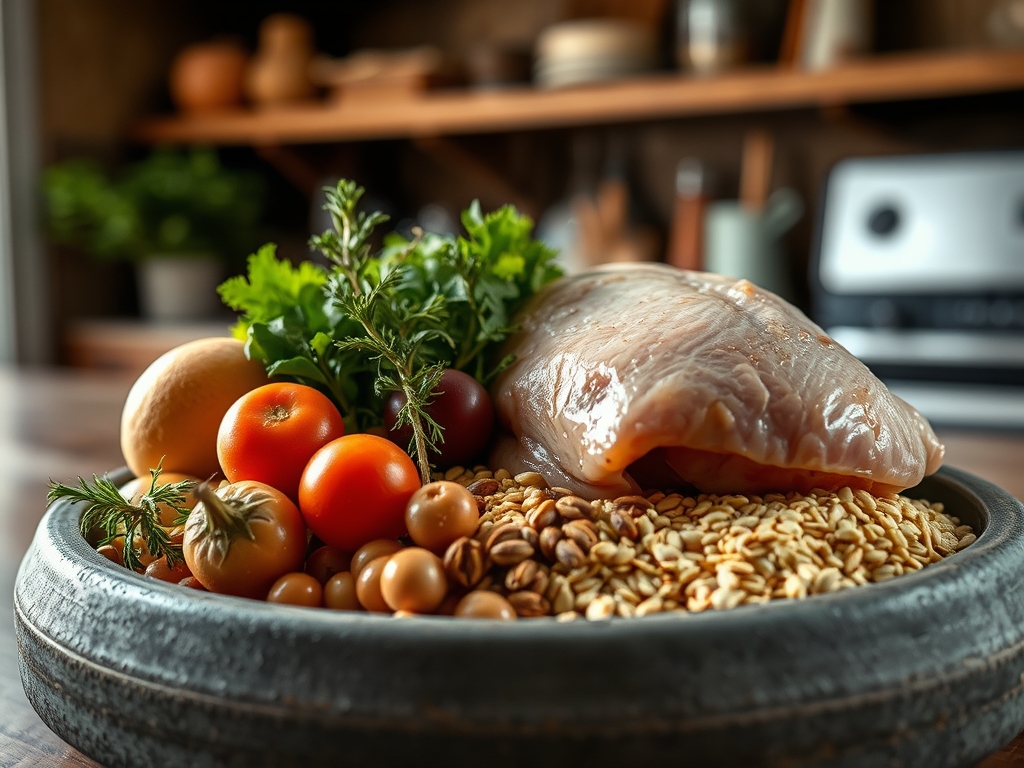
To execute these nine variations, your mise-en-place must be precise. Start with five pounds of high-quality chicken, preferably air-dried to ensure the skin (or surface) is devoid of excess moisture. You will need a viscous extra virgin olive oil for searing and a piquant selection of acids; think fresh lemons, limes, and a bottle of high-quality rice vinegar to balance the savory notes.
The dry pantry should include kosher salt for its jagged crystal structure that clings to meat, freshly cracked black pepper, smoked paprika for depth, and garlic powder for a consistent crust. Fresh aromatics are non-negotiable. Grab a bunch of cilantro, flat-leaf parsley, and a knob of ginger. Use a microplane to zest your citrus and grate your aromatics into a fine paste; this increases the surface area and allows the flavors to infuse the meat more deeply.
Smart Substitutions: If you are avoiding nightshades, swap paprika for ground turmeric and cumin to maintain a vibrant hue. For a lower-sodium profile, use coconut aminos instead of soy sauce; the natural sugars in the aminos will actually help the meat caramelize faster during the searing process. If you lack a specific fresh herb, use one-third the amount of dried herbs, but crush them in your palm first to release the volatile oils.
The Clock
Efficiency in the kitchen is all about the "Chef's Flow." You should expect roughly 30 minutes of active prep time and 45 minutes of staggered cooking. The strategy is to utilize your oven and stovetop simultaneously. While one batch of chicken is undergoing a slow roast to reach internal equilibrium, another should be screaming in a cast iron pan to develop texture.
By grouping your recipes by cooking method, you minimize cleanup. For example, three of our meal prep chicken recipes use a Mediterranean profile, while another three lean into Asian-inspired aromatics. By prepping all your "like" ingredients at once using a bench scraper to move them into bowls, you shave fifteen minutes off your total time. Remember, the clock starts with the longest-cooking item, usually the bone-in thighs, and ends with the quick-searing breast strips.
The Masterclass
1. The Foundation Sear
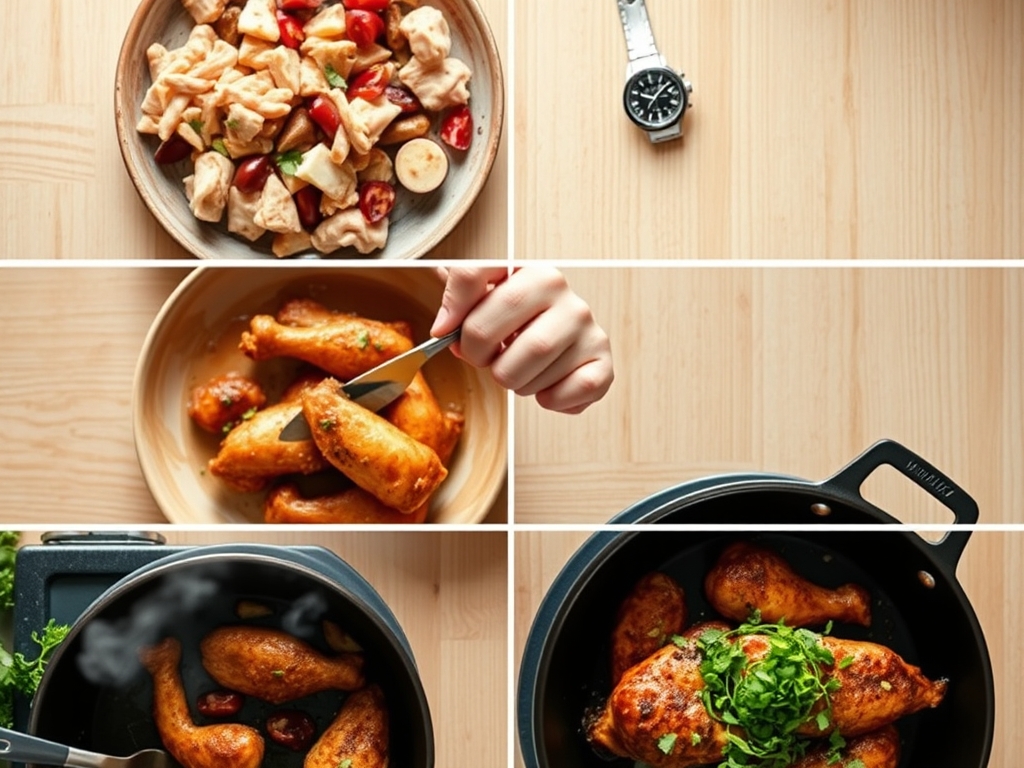
Place your chicken on a digital scale to ensure even portions, then pat it bone-dry with paper towels. Season aggressively from a height to ensure even distribution of salt and spices. Heat your heavy-bottomed skillet until the oil shimmers but does not smoke.
Pro Tip: This step relies on the Maillard Reaction. This chemical reaction between amino acids and reducing sugars creates the complex, savory flavors and brown crust that define "delicious" meat. If the pan is too crowded, the chicken will steam instead of sear, ruining the texture.
2. The Deglaze and Infuse
Once the chicken is flipped, use a saucier or a small pot to warm your liquid bases. After removing the meat, pour a splash of stock or wine into the hot pan. Use a wooden spoon to scrape up the "fond," those brown bits stuck to the bottom.
Pro Tip: Deglazing captures the concentrated flavor of the rendered fats and caramelized proteins. By incorporating this back into your sauces, you create a more cohesive and deeply flavored meal prep experience.
3. The Thermal Rest
Transfer your cooked chicken to a cutting board and tent it loosely with foil. Do not slice it immediately. Allow the meat to sit for at least eight minutes before portioning it into containers.
Pro Tip: This prevents moisture loss via thermal carryover. While resting, the muscle fibers relax and reabsorb the juices. If you cut too soon, the internal pressure will force the liquid out, leaving you with dry, stringy chicken by Tuesday.
The Deep Dive
When we look at the macro nutrition of these nine recipes, we are hitting a high-protein ceiling with moderate fats. On average, a 6-ounce portion of this meal prep chicken provides 42 grams of protein and roughly 180 to 240 calories depending on the cut used. To keep these recipes Keto-friendly, stick to the avocado oil and butter-based sauces; for Vegan swaps, the same flavor profiles work beautifully on extra-firm tofu or seitan, though you must press the tofu first to remove water.
The Fix-It: Common Pitfalls
- The Rubbery Texture: This usually happens from overcooking. Use a digital thermometer to pull the chicken at 160 degrees Fahrenheit; the carryover heat will bring it to the safe 165 mark without toughening the fibers.
- Blandness After Reheating: Flavors mute when cold. Fix this by over-seasoning your sauces slightly. A dash of extra acid (vinegar or lemon) right before packing will keep the flavors bright.
- Soggy Veggies: If you prep your chicken with vegetables, keep them separate or undercook the greens. The residual heat from the chicken will finish the "cook" in the container.
Reheating Science: To maintain "day-one" quality, avoid the microwave if possible. If you must use it, place a damp paper towel over the container to create a steam chamber. This prevents the proteins from tightening and becoming "bouncy." Ideally, reheat in a skillet with a tablespoon of water or stock to re-emulsify the sauces.
The Wrap-Up
Mastering these meal prep chicken recipes is the ultimate gift to your future self. By understanding the science of the sear and the importance of the rest, you have elevated a basic kitchen task into a professional-grade system. You now have the tools, the techniques, and the witty confidence to conquer your week with flavor. Go forth, grab those tongs, and turn your kitchen into the powerhouse it was meant to be!
The Kitchen Table
How long does meal prep chicken stay fresh?
Cooked chicken stays safe and delicious for three to four days in an airtight container refrigerated at 40 degrees Fahrenheit. Always ensure the chicken has cooled to room temperature before sealing the lid to prevent condensation and bacterial growth.
Can I freeze these chicken recipes?
Yes, most meal prep chicken recipes freeze beautifully for up to three months. For best results, freeze the chicken in its sauce to prevent freezer burn. Thaw in the refrigerator overnight before reheating to maintain the structural integrity of the meat.
What is the best way to prevent dry chicken?
The most effective method is using a digital meat thermometer to avoid overcooking. Additionally, "dry brining" the chicken with salt for thirty minutes before cooking helps the cells retain moisture during the high-heat application of the searing process.
Should I use chicken breasts or thighs for prep?
Chicken thighs are more "forgiving" for meal prep because they have a higher fat content, which prevents them from drying out during reheating. However, breasts are excellent if you use a sauce-heavy recipe or slice them thinly against the grain.