
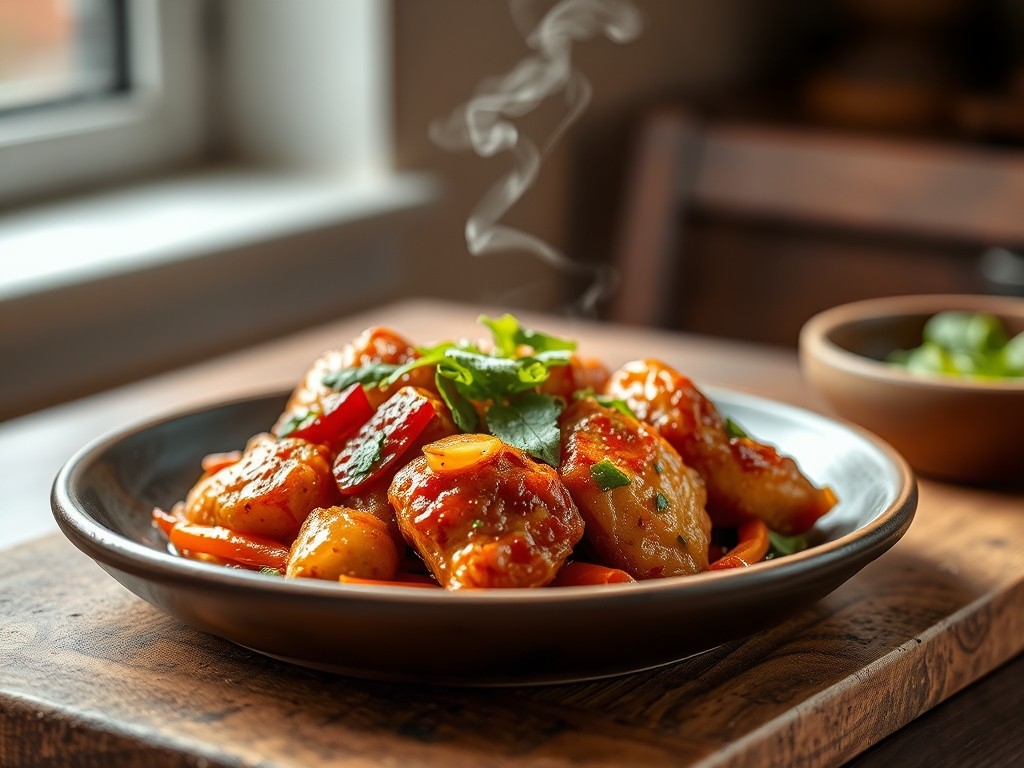
Picture the sound of a heavy-bottomed skillet meeting a high-flame burner; it is the percussion of a kitchen about to come alive. You want dinner that tastes like a neon-lit street market but takes less time than a delivery driver spends at a red light. Finding asian chicken recipes easy enough for a Tuesday night is about mastering the balance of salt, acid, and heat.
The secret lies in the pantry. When you unlock the power of fermented pastes and high-smoke-point oils, you are not just cooking; you are orchestrating a symphony of amino acids. We are going to transform humble poultry into something piquant, glossy, and utterly addictive using techniques that professional chefs use to cheat the clock. Grab your apron because we are about to turn your kitchen into the best bistro in town.
The Gathers:
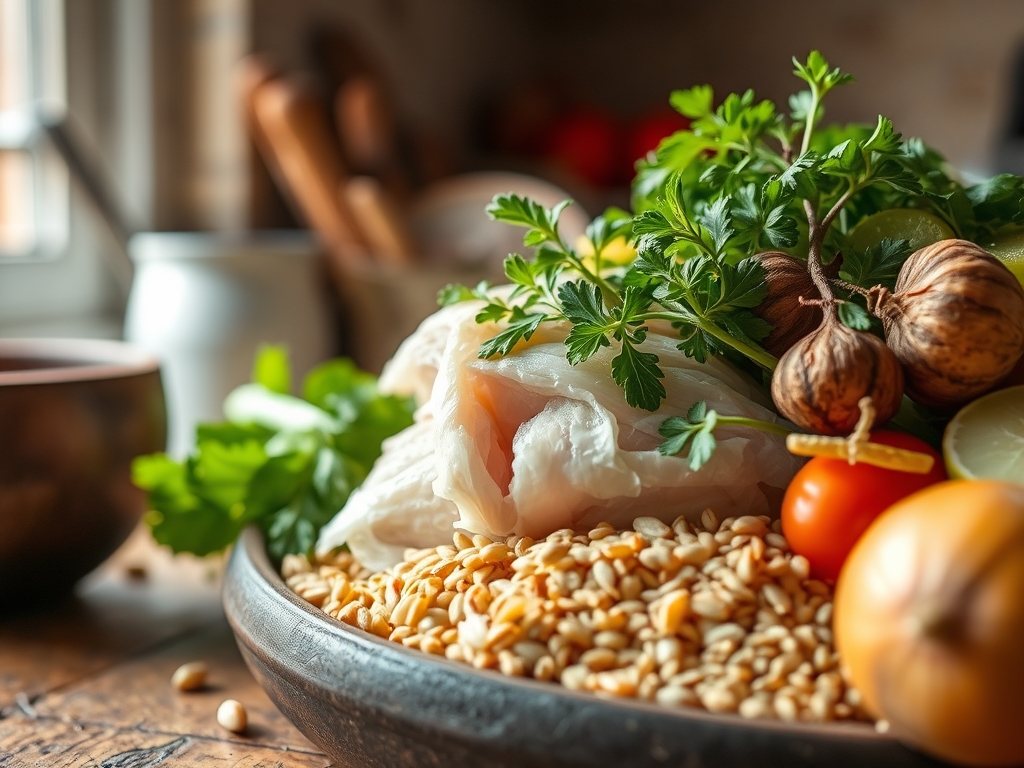
Before the first flame is lit, we must respect the mise-en-place. Your workstation should be a grid of efficiency. Start with the aromatics: ginger and garlic. Use a microplane to grate them into a fine paste. This increases the surface area, allowing the volatile oils to infuse the cooking fat almost instantly. For the protein, chicken thighs are superior to breasts because their higher fat content allows them to render and remain succulent under high heat.
Smart substitutions are your best friend when looking for asian chicken recipes easy to execute. If you lack Shaoxing wine, a dry pale sherry offers the same oxidative depth. No tamari? Use liquid aminos for a gluten-free punch. If your honey has crystallized, a quick zap in the microwave restores its viscous flow, ensuring it coats the meat evenly rather than clumping. Always keep a bottle of toasted sesame oil nearby; its low smoke point means it is a finishing oil, not a frying oil.
The Clock:
In the professional world, we talk about "Chef's Flow." This is the art of overlapping tasks so that no second is wasted. These recipes are designed for a 15-minute prep and a 15-minute cook time. While your chicken is marinating in a saucier, use that ten-minute window to chop your scallions and bok choy with a sharp bench scraper to move them quickly to the pan.
The goal is to reach the "plate-up" phase in under thirty minutes total. By the time your rice cooker pings its final alert, your chicken should be resting. This resting period is non-negotiable; it allows the muscle fibers to relax and reabsorb the juices that the heat pushed to the surface. If you cut too soon, you lose the moisture that makes these asian chicken recipes easy to love and impossible to mess up.
The Masterclass:
1. The Sear and Sizzle
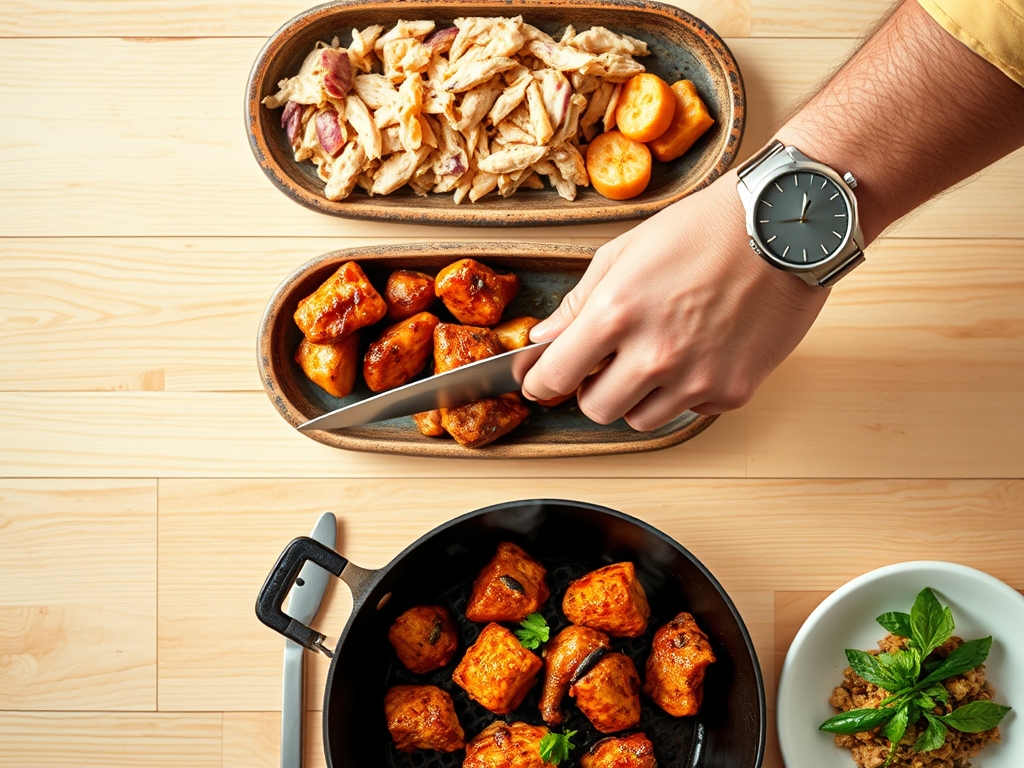
Place your chicken in a preheated heavy-bottomed skillet. Do not crowd the pan; if the pieces touch, they will steam rather than sear. You are looking for the Maillard reaction, which is a chemical reaction between amino acids and reducing sugars that gives browned food its distinctive flavor.
Pro Tip: Use a digital scale to ensure even portioning. Consistent size means consistent cooking times, preventing the dreaded "one dry piece, one raw piece" scenario.
2. Deglaze for Depth
Once the chicken has developed a golden crust, use a splash of rice vinegar or broth to deglaze the pan. Use your tongs to scrape up the "fond," those little brown bits stuck to the bottom. This is concentrated flavor gold that forms the base of your sauce.
Pro Tip: This step utilizes thermal carryover. Even after you remove the pan from the direct flame, the residual heat continues to cook the sauce, thickening it into a glossy lacquer.
3. Emulsify the Sauce
Add your liquid aromatics like soy sauce and honey. Whisk vigorously to emulsify the fats with the water-based liquids. You want a sauce that clings to the back of a spoon, a state known in French cooking as "nappe."
Pro Tip: Adding a cold pat of butter or a teaspoon of cornstarch slurry at the very end creates a stable emulsion that won't break or look greasy on the plate.
The Deep Dive:
When we look at the macro nutrition of these asian chicken recipes easy to prepare, we see a powerhouse of lean protein. By using thighs, you get essential minerals like iron and zinc. If you are watching calories, swap the honey for a monk fruit sweetener or stevia to keep the glycemic index low without sacrificing the sticky texture.
For my dietary-restricted friends, these recipes are incredibly flexible. To go Keto, serve the chicken over "riced" cauliflower sautéed with a hint of toasted sesame oil. For a Vegan twist, firm tofu or seitan can be pressed and seared using the exact same aromatics. If you are Gluten-Free, ensure your soy sauce is replaced with certified tamari or coconut aminos.
The "Fix-It" Guide:
- Too Salty? Add a squeeze of fresh lime juice. The acid cuts through the sodium perception.
- Too Thin? Simmer for two more minutes to allow for evaporation, or add a tiny cornstarch slurry.
- Too Spicy? A teaspoon of peanut butter or tahini will mellow the capsaicin heat without ruining the flavor profile.
Meal prep is where these recipes shine. To maintain "day-one" quality, reheat your chicken in a skillet with a tablespoon of water rather than using the microwave. This creates a mini-steam chamber that re-hydrates the protein fibers, preventing that rubbery texture common in leftovers.
The Wrap-Up:
You now have the technical blueprint to master asian chicken recipes easy enough for any night of the week. Cooking is not just about following a list; it is about understanding how heat, fat, and acid interact to create something memorable. Whether you are using a saucier or a simple pan, the key is confidence and high-quality ingredients. Now, go forth and turn your kitchen into a sanctuary of flavor. Your friends are going to think you went to culinary school over the weekend.
The Kitchen Table:
How do I make the chicken extra crispy without deep frying?
Coat the chicken lightly in cornstarch before searing in a hot skillet. The starch absorbs surface moisture, creating a thin, glass-like crust that mimics the texture of deep-frying while using significantly less oil and heat.
What is the best way to store leftover chicken?
Store in an airtight glass container for up to four days. To preserve the sauce's integrity, keep it separate from rice or noodles to prevent the starch from absorbing all the moisture and becoming unpleasantly mushy.
Can I use chicken breast instead of thighs?
Yes, but reduce the cooking time by two minutes. Breasts have less fat and can dry out quickly. Use a digital thermometer to ensure the internal temperature hits 165 degrees Fahrenheit exactly to keep them juicy.
Why does my ginger taste bitter?
Ginger becomes bitter if it burns in high heat. Always add your grated ginger during the last sixty seconds of sautéing aromatics, or whisk it directly into your sauce liquid to protect it from the direct heat of the pan.