
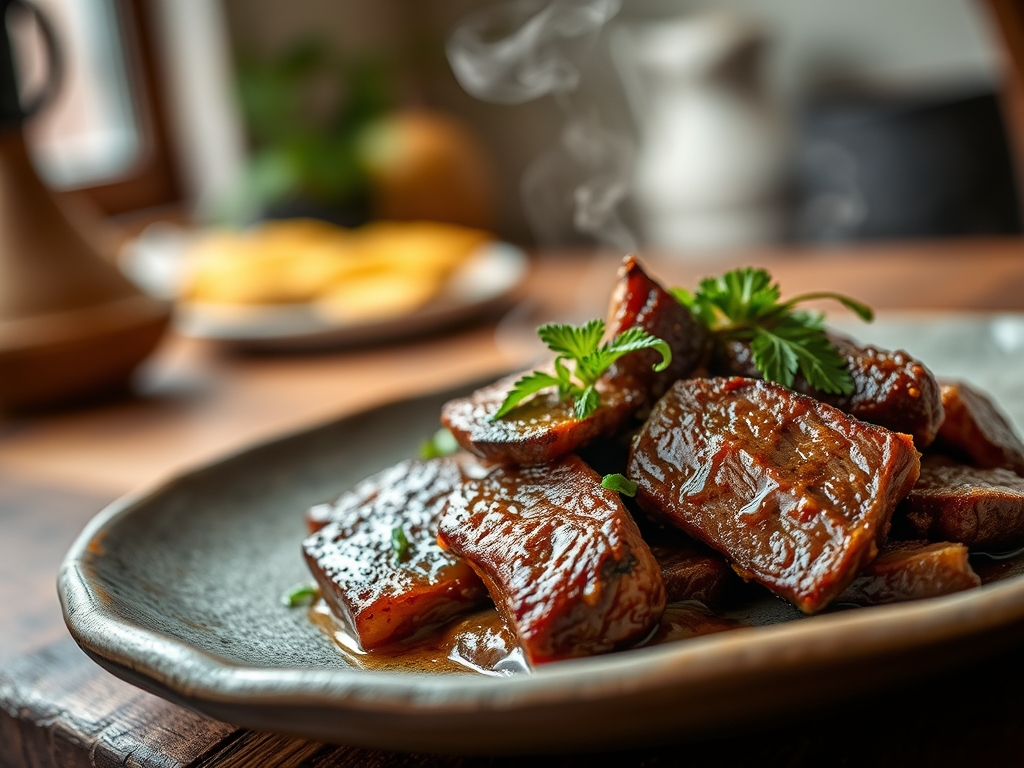
Close your eyes and imagine the scent of rock salt hitting a searing hot fire; that is the unmistakable perfume of a Brazilian churrascaria. When you dive into authentic brazil beef recipes, you are not just cooking dinner; you are participating in a century-old ritual of fire, salt, and fat. Brazil is the world's largest exporter of beef for a reason. The culture treats the cow as a culinary map where every muscle fiber has a purpose. From the fat-capped Picanha to the slow-simmered comfort of a rustic stew, these dishes rely on the chemistry of high-heat searing and the patience of low-temperature braising. Whether you are hosting a backyard barbecue or looking for a weeknight meal that packs a punch of protein and culture, understanding the structural integrity of different cuts is your first step toward mastery. We are going to explore the top ten dishes that define the nation, focusing on the science that makes them craveable. Grab your apron; we are going to turn your kitchen into a temple of beef.
The Gathers:
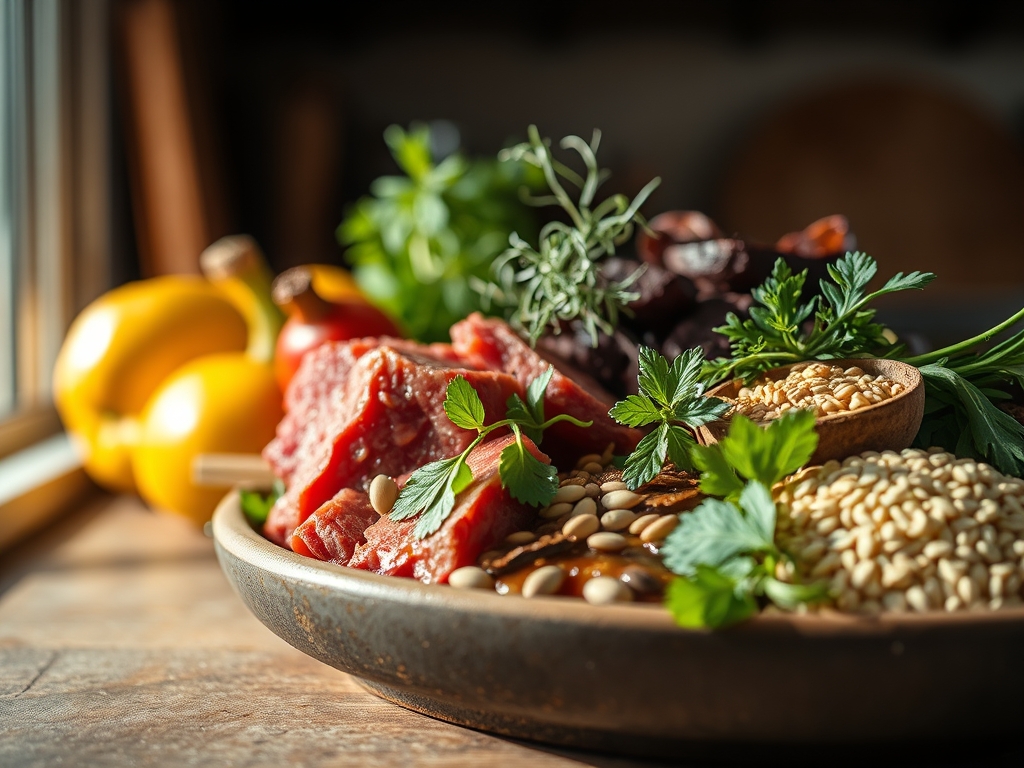
To execute these brazil beef recipes with precision, your mise-en-place must be impeccable. You will need a heavy-bottomed skillet, preferably cast iron, to maximize the Maillard reaction. For the seasoning, discard the table salt. We require coarse sea salt or "sal grosso." The large crystals do not dissolve instantly; instead, they create a crust that draws out just enough moisture to create a concentrated brine on the surface of the meat.
You will also need a saucier for the sauces like Chimichurri or Molho Campanha. These require an emulsion of high-quality olive oil and acidic vinegar to cut through the heavy lipids of the beef. If you are making the national favorite, Feijoada, ensure you have a digital scale to balance the ratio of black beans to salted beef trimmings.
Smart Substitutions: If you cannot find the classic Picanha (top sirloin cap), look for a tri-tip with a thick fat cap intact. For the traditional "Carne Seca" (dried beef), you can mimic the salty, fibrous texture by salt-curing a flank steak in your refrigerator for twenty-four hours before slow-cooking. If Malagueta peppers are too piquant for your palate, a mix of red pepper flakes and a touch of apple cider vinegar provides a similar acidic heat profile without the overwhelming Scoville units.
The Clock
Efficiency in the kitchen is about managing the Chef's Flow. For these ten recipes, your timeline ranges from twenty minutes to six hours. Picanha and Fraldinha (flank steak) are high-velocity dishes; they require only ten minutes of prep and fifteen minutes of intense heat. However, the braised classics like Vaca Atolada (beef with cassava) require a three-hour commitment to allow the collagen in the ribs to hydrolyze into gelatin, creating that silky, viscous mouthfeel.
Always build in a twenty-minute "Resting Buffer." Meat is a thermal engine. If you slice it the moment it leaves the heat, the internal pressure will force the juices out, leaving you with a dry, gray steak. By allowing the fibers to relax, you ensure the moisture redistributes evenly.
The Masterclass
1. The Picanha Sear
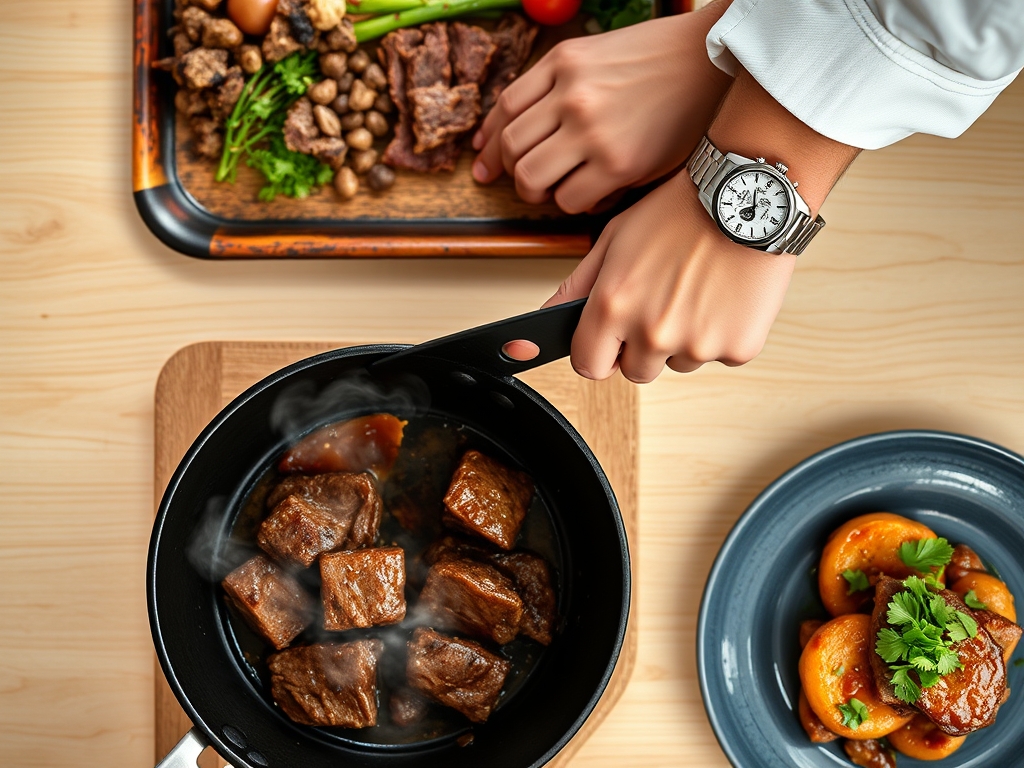
The Picanha is the crown jewel of brazil beef recipes. Score the fat cap in a diamond pattern using a sharp chef's knife, making sure not to cut into the flesh. Generously coat with coarse salt. Place the meat fat-side down in a cold heavy-bottomed skillet, then turn the heat to medium-high.
Pro Tip: Starting in a cold pan allows the fat to render slowly before the meat overcooks. This liquid fat then acts as a frying medium for the rest of the steak, enhancing the beefy flavor through lipid oxidation.
2. Deglazing the Pan for Acebolado
Beef with onions (Acebolado) is a staple. After searing your thin steaks, remove them and immediately toss in sliced white onions. Use a wooden spoon to scrape the brown bits (fond) from the bottom of the pan.
Pro Tip: This process, known as deglazing, captures the concentrated sugars and proteins stuck to the pan. Adding a splash of water or beef stock creates a natural gravy that coats the onions in savory umami.
3. Emulsifying the Chimichurri
While not exclusively Brazilian, the herb sauce is vital. Finely mince parsley, garlic, and oregano using a microplane for the garlic to release the oils. Whisk in vinegar and then slowly stream in olive oil.
Pro Tip: The acid in the vinegar helps to break down the connective tissues in tougher cuts of beef if used as a marinade, while the oil carries the fat-soluble flavor compounds of the herbs to your taste buds.
4. Hydrolyzing Collagen in Vaca Atolada
For this beef rib and cassava stew, you must simmer the meat until it literally "gets stuck" (atolada) in the creamy starch of the cassava. Use a digital scale to ensure a 1:1 ratio of meat to starch.
Pro Tip: The long, slow cook time is necessary for enzymatic browning and the breakdown of tough connective tissue. The starch from the cassava acts as a natural thickener, creating a velvety texture without the need for flour.
5. Aerating the Farofa
Farofa (toasted cassava flour) is the essential sidekick. Sauté garlic and butter in a pan, then add the flour. Stir constantly with a bench scraper or spatula to ensure even toasting.
Pro Tip: Toasting the flour creates a nutty flavor via the Maillard reaction. This dry, crunchy texture provides a necessary sensory contrast to the juicy, succulent beef.
The Deep Dive
Macro Nutrition: Brazilian beef dishes are high-protein powerhouses. A standard 6-ounce serving of Picanha provides roughly 42 grams of protein. While the fat content can be high, it is primarily monounsaturated and saturated fats that provide long-lasting satiety.
Dietary Swaps: For a Vegan alternative, use "pulled" king oyster mushrooms or jackfruit seasoned with liquid smoke and coarse salt to mimic the charred flavor of the grill. For Keto followers, these recipes are a dream; simply omit the rice and farofa, doubling down on the leafy greens and vinaigrette. All these recipes are naturally Gluten-Free as long as you use pure cassava flour.
The Fix-It:
- Tough Meat: If your steak is chewy, you likely cut it with the grain. Always slice perpendicular to the muscle fibers to shorten the chew.
- Bitter Crust: If the salt crust tastes bitter, you have burnt the fat. Lower the heat and use a digital thermometer to monitor the internal temp.
- Greasy Sauce: If your Molho Campanha is separating, you need more agitation. Whisk vigorously to create a temporary emulsion before serving.
Meal Prep: To reheat beef without it turning into rubber, use the "Low and Slow" method. Place the beef in a covered dish with a tablespoon of water or stock and heat at 250 degrees Fahrenheit. This prevents the proteins from tightening up and squeezing out the remaining moisture.
The Wrap-Up
Mastering brazil beef recipes is about more than just following a list of steps; it is about respecting the ingredients and the physics of heat. From the crunch of the salt to the tenderness of a slow-braised rib, these dishes offer a symphony of textures. Remember to trust your senses. Listen for the sizzle, watch for the deep mahogany color of a perfect sear, and always, always let your meat rest. Now, get out there and fire up that pan!
The Kitchen Table
What is the best cut for Brazilian beef?
Picanha, or the top sirloin cap, is the most prized cut. It features a thick layer of fat that bastes the meat as it cooks, resulting in unparalleled flavor and tenderness when sliced against the grain.
Do I need a special grill for these recipes?
While a charcoal grill provides the most authentic smoky flavor, you can achieve excellent results using a cast-iron skillet. The key is high heat and heavy seasoning with coarse sea salt to create a crust.
Why is my Brazilian steak tough?
Toughness usually results from overcooking or cutting with the grain. Ensure you pull the meat at 130 degrees Fahrenheit for medium-rare and always slice across the muscle fibers to ensure a tender bite.
What can I serve with these beef dishes?
The traditional "Holy Trinity" of sides includes white rice, black beans, and farofa (toasted cassava flour). A fresh tomato and onion vinaigrette is also essential to provide acidity and balance the rich fats.